The secret behind Argentina’s beloved Lagrima coffee
In the rich and varied world of coffee, there’s a uniquely Argentine creation known as Lágrima. This drink holds a quiet yet meaningful place in Argentina’s coffee culture. Its name, which means “tear” in Spanish, reflects its gentle nature: a warm and comforting blend of hot milk touched with just a drop of espresso.
Exploring the Origins of Lagrima Coffee
Lagrima coffee originates from Argentina, where locals created this drink as a way to balance the strong bitterness of espresso with the smoothness of milk. It’s often seen as the reverse of a Caffè Macchiato: instead of a shot of espresso “staining” a little milk, Lagrima is mostly milk with just a single drop of espresso.
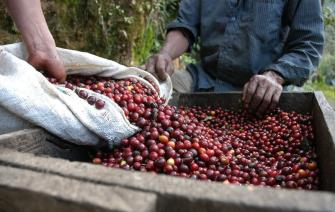
The name Lagrima, meaning “tear” in Spanish, also reflects how it’s served: a tiny drop of espresso added to a cup of milk, producing a subtle yet complete flavor. Historically, when Argentina relied on lower-quality coffee imported from Brazil – sometimes roasted with sugar to mask its taste- Lagrima provided the perfect solution. A cup brimming with milk and just a hint of coffee helped neutralize the bitterness or unpleasant acidity of the imported beans.
Today, Argentina’s coffee quality has improved dramatically, yet Lagrima retains a beloved place in daily coffee routines. Many locals continue to enjoy it and have no intention of abandoning this tradition, even as the overall quality of coffee has risen.

A traditional Lagrima in Argentina, a gentle symbol of the country’s coffee culture
How to Make Lagrima Coffee at Home
The Lagrima recipe is simple and approachable, even for those who aren’t professional baristas. You’ll need about 200 ml of warm milk – typically low-fat fresh milk – and a small shot of espresso (around 25 – 30 ml).
The milk-to-espresso ratio is usually around 9:1, meaning a Lagrima cup is mostly milk with just a delicate touch of coffee for balance. Traditionally in Argentina, it’s served with cold or warm milk without any froth. However, in recent years, some modern cafés have experimented with foamed milk to give the drink a creamier texture.
You can also try a mix: half foamed milk and half regular milk to notice a subtle change in texture. Still, the traditional version prioritizes plain milk for the purest and most flexible flavor.
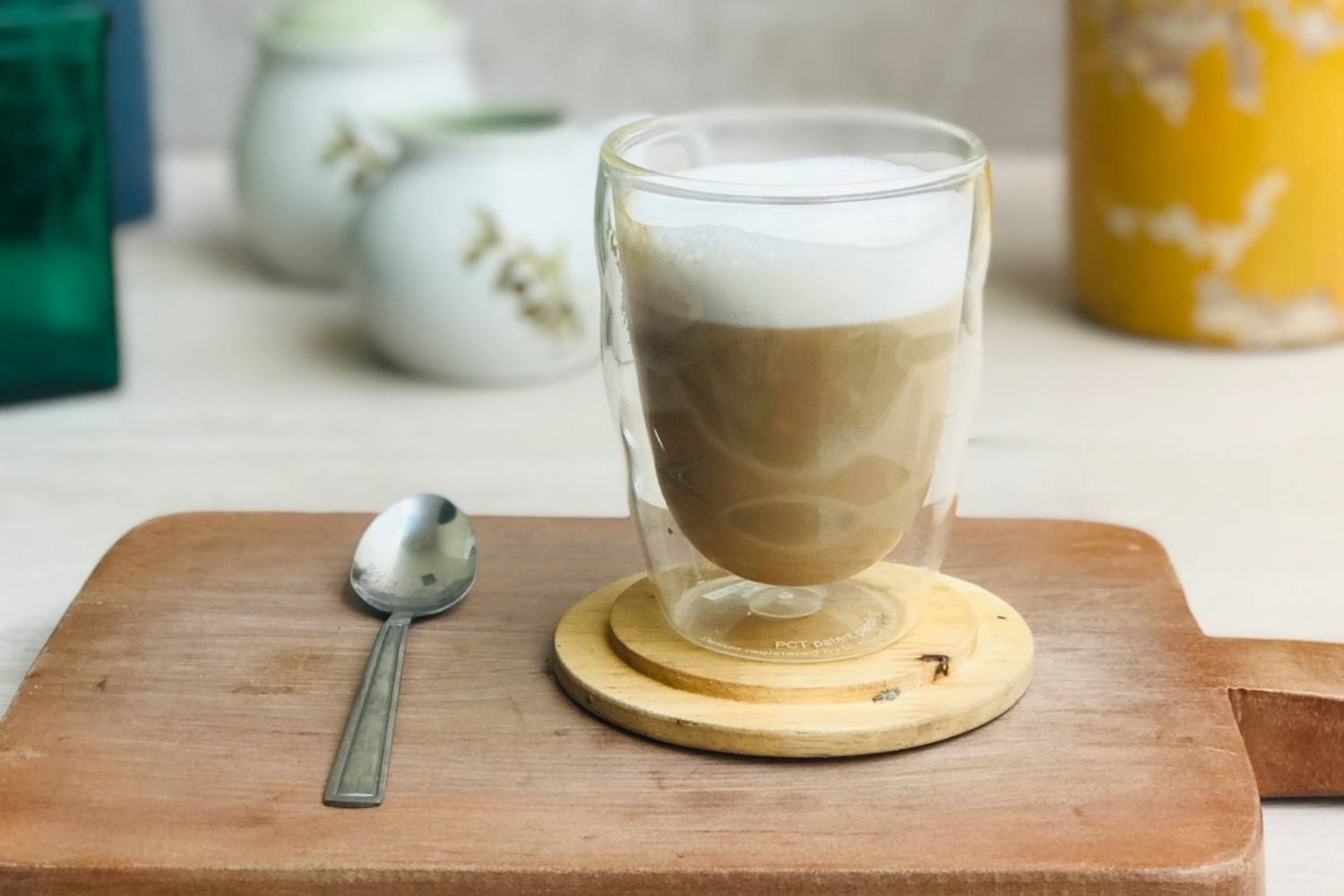
Each step from gently heating the milk to extracting a fresh espresso shot, contributes to a balanced and harmonious cup
What sets Lagrima apart from other coffee-with-milk rinks
Lagrima shares some similarities with drinks like lattes or cortados, but its defining feature is the very small amount of espresso compared to milk. While a latte has more espresso and foamed milk, and a cortado features roughly equal parts espresso and milk, Lagrima embodies gentleness – a “lighter” version of a latte or more of a “milk with a hint of coffee” than a coffee with milk.
Compared to a Caffè Macchiato, Lagrima is the reverse: Macchiato is milk marked with coffee, whereas Lagrima is coffee marked with milk. Its simplicity and elegance also distinguish it from lattes and cappuccinos, which rely on foamed milk, crema, and a larger espresso portion. Lagrima is designed for a gentle morning experience or for those new to the world of strong coffee.
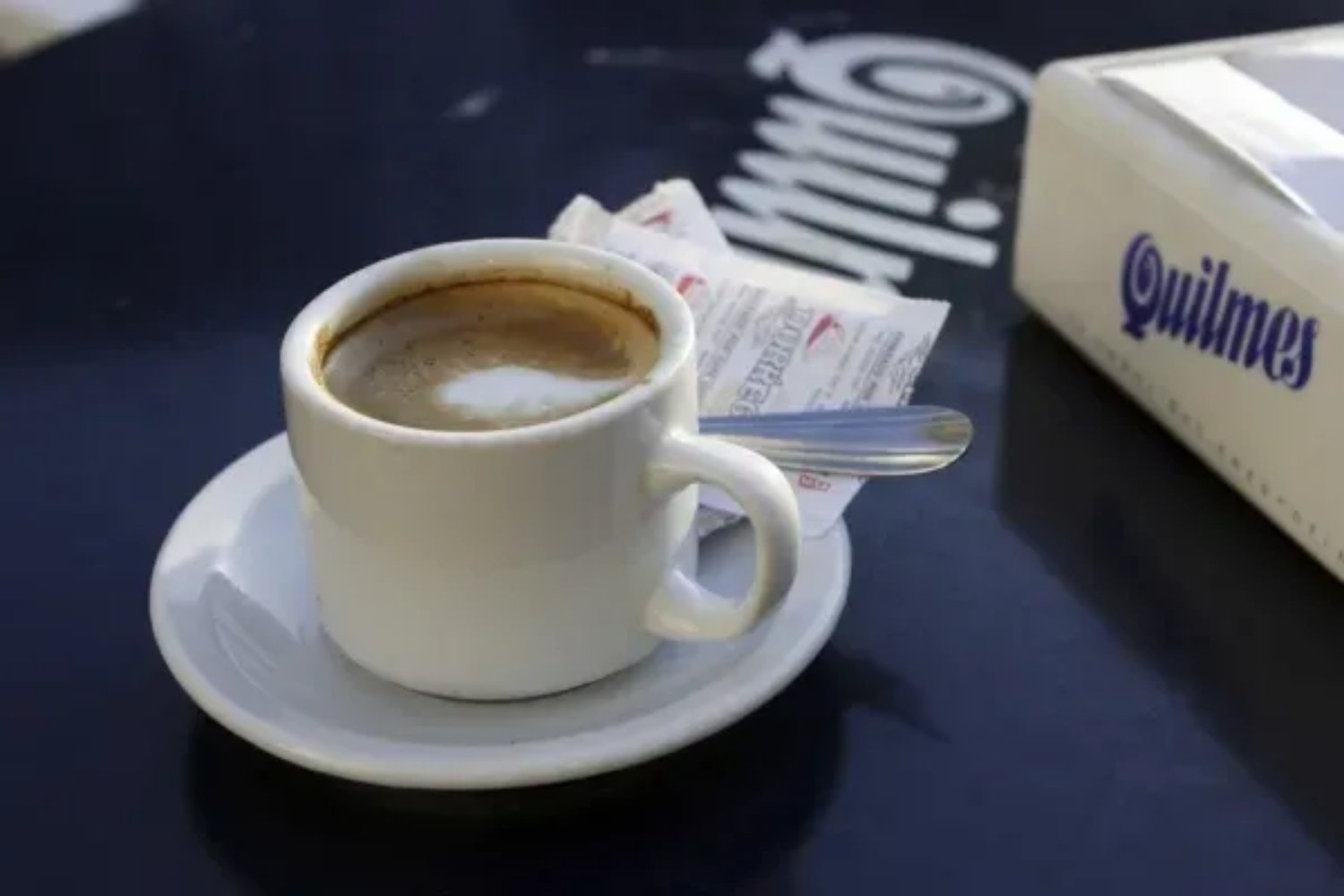
Lagrima shows how every culture seeks balance, starting from the desire to soften coffee’s ntensity
Popularity and cultural significance in Argentina
Although Lagrima originated as a way to mask the harshness of low-quality coffee, over time it has become a cultural icon in Argentina’s coffee scene. It is considered a polite, gentle, and warm drink, ideal for a simple morning or a quiet moment of relaxation. Even as coffee quality in Argentina has improved, people continue to enjoy Lagrima as part of their daily ritual, carrying on a tradition and cultural memory.
In modern cafés across Argentina, even with a wide range of creative espresso drinks available, Lagrima remains a familiar choice, evoking the simplicity and warmth of earlier times.

Argentinians often sip Lagrima in the morning as part of their daily rhythm
Lagrima is a special coffee that blends Argentina’s tradition with creativity. With just a small drop of espresso accenting warm milk, it delivers a gentle, soothing, yet harmonious experience. From its origin as a solution for low-quality coffee, it has become an indispensable part of Argentina’s coffee culture. Its simple recipe is accessible for beginners and appreciated by enthusiasts alike, preserving elegance in every sip – that is the enduring charm of this drink.
Images used in this article were collected from various sources.
Frequently Asked Questions
1. How is Lagrima different from a latte or cortado?
Lagrima uses just one drop of espresso in a large cup of milk, while lattes and cortados have higher espresso-to-milk ratios and typically include more foamed milk.
2. Why is it called Lagrima?
Lagrima means “tear” in Spanish, referencing the very small amount of espresso, like a single tear in a cup of milk.
3. Should you use foamed milk?
Traditionally, regular milk is used without foam. However, you can experiment by adding a bit of foam to slightly change the texture.
4. What type of coffee should be used for Lagrima?
Choose a dark-roast Arabica espresso with a touch of Robusta to ensure the coffee flavor is not overpowered by the milk. Examples include Lavazza Tierra Brasile Intense or Extra Intense.