Does Coffee Cause Male Infertility? True or False?
A groundbreaking 2021 Brazilian study revealed that men who consumed more than 6 cups of coffee daily actually had BETTER sperm motility than non-coffee drinkers—a finding that completely contradicts conventional wisdom. But is this the whole story?
How caffeine affects male hormones and testosterone
To understand caffeine’s impact on male fertility, we need to start with how it affects the hormonal system—the foundation of all reproductive function.
The Complex Relationship Between Caffeine and Testosterone
Testosterone isn’t just the “masculine” hormone—it’s the primary factor in producing quality sperm. Caffeine affects testosterone through sophisticated and sometimes contradictory mechanisms.
- Short-term effects create temporary stimulation. Research shows that within 30-60 minutes of consuming caffeine, men may experience a slight increase in free testosterone (5-8%), stimulation of adrenaline and cortisol production, and enhanced blood circulation to the testicles. This mechanism occurs because caffeine stimulates the HPA (Hypothalamic-Pituitary-Adrenal) axis, creating a positive short-term stress response.
- Long-term effects tell a more complex story. With regular high-dose caffeine use (>400mg/day), this mechanism can reverse itself, leading to chronic elevated cortisol that continuously suppresses testosterone, sleep disruption that reduces the nocturnal testosterone surge (20-30% of testosterone is produced during sleep), and increased SHBG (sex hormone-binding globulin), which binds testosterone and reduces free hormone levels.
A University of Rochester study following 200 men over 6 months found:
- Men consuming >5 cups of coffee daily had 23% higher morning cortisol levels
- Morning testosterone decreased an average of 12% compared to the caffeine-free group
- Sleep quality declined, particularly REM sleep crucial for hormone production

Understanding these mechanisms helps men recognize that caffeine’s impact on testosterone isn’t “black and white” but depends on multiple factors—from dosage and duration of use to individual genetic characteristics.
Negative and positive studies on caffeine and male fertility
One of the most controversial aspects of caffeine and male fertility research is the completely contradictory findings regarding sperm quality.
Positive Studies from Brazil and Denmark
Two significant studies have produced surprising findings about caffeine’s positive effects on sperm quality.
- The 2021 Brazilian study analyzed 750 men at a São Paulo fertility clinic. Results showed that men who consumed coffee, whether in large or small amounts, showed no difference in sperm count per ml, and the percentage of normally shaped sperm increased by 2-3%. Remarkably, this study found that even men consuming >6 cups of coffee daily still had better sperm quality than non-coffee drinkers.
- The Danish study of 2,554 men represents one of the largest studies on this topic, following young men aged 18-20. Results also found that caffeine had no negative effects, only slightly reduced sperm concentration. More importantly, they discovered that pure coffee had no adverse effects, while cola did.
Negative Studies: Meta-analysis and DNA Damage Concerns
However, not all research shows positive results. Many other studies point to significant concerns.
- A 2017 meta-analysis on DNA fragmentation compiled 28 studies from multiple countries, showing that consuming >300mg caffeine daily increases DNA damage risk by 15-20%. Consuming >600mg caffeine daily doubles this risk and significantly reduces conception chances.
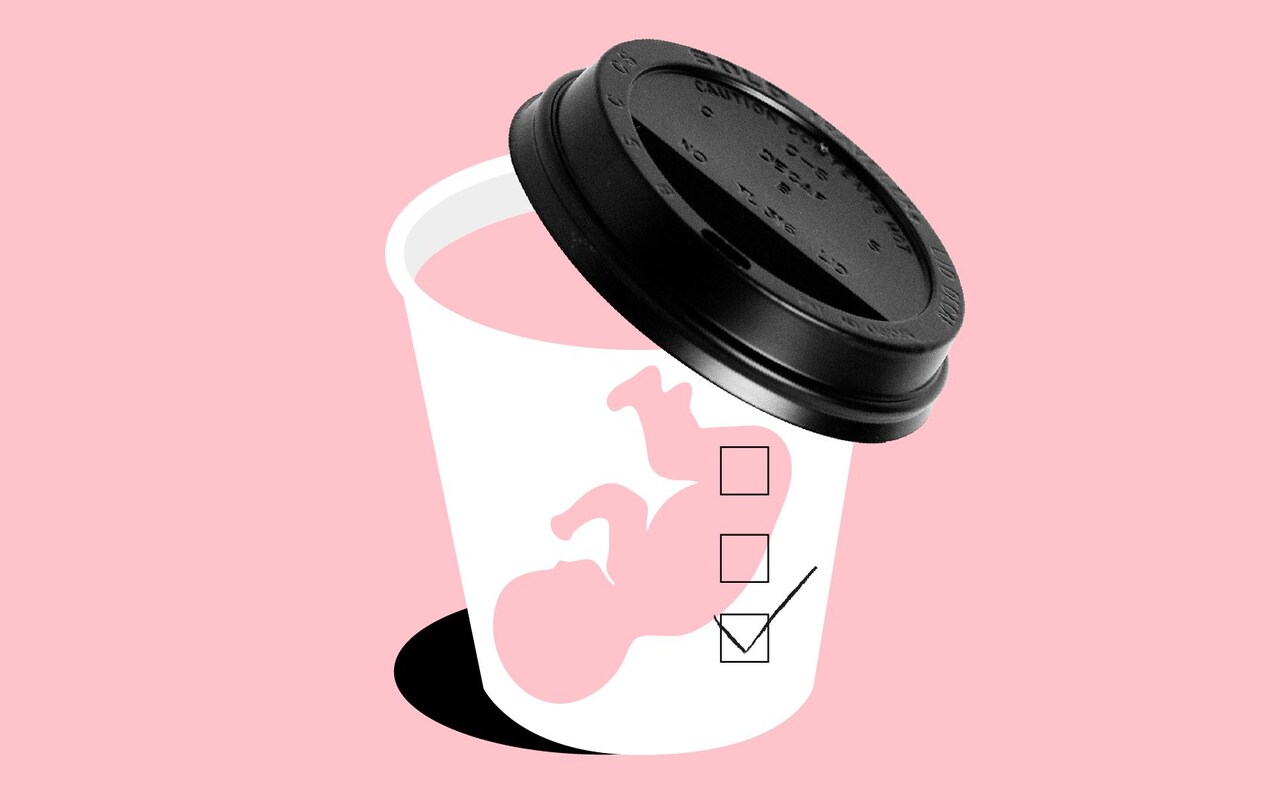
The most important discovery from analyzing these contradictory studies is that the SOURCE of caffeine matters more than the total amount. These findings suggest it’s not caffeine in general, but the QUALITY and SOURCE of caffeine that determines its impact on male fertility.
Specialty coffee vs. Commercial coffee: Impact on male fertility
Not all caffeine is created equal. The difference between specialty coffee and commercial caffeine sources may determine whether caffeine has positive or negative effects on male fertility.
Specialty coffee, with its clean production process, contains high levels of bioactive compounds beneficial for reproductive health. Research in the Fertility and Sterility Journal shows that men drinking specialty coffee may protect sperm from oxidative stress and help break down harmful hydrogen peroxide.
In contrast, energy drinks represent the greatest threat to male fertility due to their combination of multiple stimulants and additives. When consumed in large quantities, they exceed the liver’s metabolic capacity, compete with amino acids necessary for sperm production, and cause sudden insulin spikes that disrupt the endocrine system.
Therefore, rather than avoiding or worshipping coffee, men should view it as a tool that can either optimize or harm reproductive health depending on how it’s used. If you’re planning to have children or experiencing fertility issues, consult with specialists to develop an appropriate plan. Remember: each body is unique, and what works for others may not be compatible with you.
Frequently asked questions
1. I drink 4-5 cups of coffee daily and am trying to conceive. Should I cut back immediately?
No need for sudden reduction, but smart adjustments are wise. First, check your caffeine SOURCE—if you’re drinking high-quality specialty coffee, 4-5 cups may be acceptable. However, if you’re consuming commercial coffee, cola, or energy drinks, reduce to 2-3 cups of specialty coffee daily. Most importantly, timing matters: drink primarily in the morning and before 2 PM to avoid affecting sleep—a crucial factor for testosterone production.
2. Is instant coffee safer than machine-brewed coffee?
Actually, the opposite is true. Instant coffee is generally less safe, containing lower levels of antioxidants (only 3,000-6,000 μmol TE/100g compared to 15,000-25,000 in specialty coffee), often containing more impurities, and made from lower-quality coffee beans. Instead, choose single-origin, organic specialty coffee with light to medium roast to maximize reproductive health benefits.
3. I’m stressed from work and need caffeine to stay alert. Is there a way to balance this?
Stress + high caffeine is a testosterone-killing combo. Apply the 70-30 strategy: 70% specialty coffee + 30% L-theanine-containing tea (matcha, green tea) to reduce cortisol. Limit caffeine to 200mg daily and supplement with 300mg ashwagandha in the afternoon to counter-balance stress effects. Most importantly: ensure 7-8 hours of sleep, as this is when your body produces 70% of its testosterone.
4. My wife is pregnant, do I need to restrict coffee like she does?
Men don’t need restrictions as strict as pregnant women, but optimization is still beneficial. Sperm quality takes 74 days to completely “refresh,” so what you consume today affects sperm 2-3 months later. Maintain 2-3 cups of specialty coffee daily, completely avoid cola and energy drinks. Additionally, supplement with 15mg zinc and 100mg CoQ10 to support sperm quality during these important months.


-

Dissecting the true meaning of single origin and blend coffee
-
What is weasel coffee? Should we drink weasel coffee?
-
Is craft coffee specialty coffee? What are differences?
-
Seed-Grown Coffee: A sustainable path for Vietnam’s Coffee
-
How long does green coffee keep for? How to preserve green coffee beans?





SPECIALTY COFFEE