Does Coffee Reduce Fertility? Here’s What the Science Says
A 2024 NHANES study of 2,099 women revealed a surprising finding: drinking more than 2 cups of tea daily reduced infertility risk by 27%, while coffee showed the opposite trend. Why do these two caffeinated beverages have such different effects on fertility? The answer lies in caffeine’s complex impact on the female reproductive endocrine system.
How Caffeine Affects Fertility
To understand why coffee may impact fertility, we need to examine two primary mechanisms: hormonal disruption and interference with natural reproductive processes.
Hormonal Disruption: Estrogen and LH/FSH Imbalance
Caffeine is a nervous system stimulant, but once in the body, it also directly affects the endocrine system through a subtle yet potentially harmful mechanism.
Increased SHBG and Reduced Free Estrogen are first. Research shows that caffeine stimulates production of SHBG (sex hormone-binding globulin) – a protein that binds to sex hormones. When SHBG levels rise, free estrogen in the blood significantly decreases, leading to:
- Abnormally prolonged menstrual cycles
- Luteal phase dysfunction
- Poor endometrial (uterine lining) quality
Impact on FSH and LH are second. Caffeine interferes with the hypothalamic-pituitary-ovarian axis, disrupting the rhythm of FSH and LH hormone secretion:
| Hormone | Caffeine’s effect | Consequences |
| FSH | Reduces receptor sensitivity | Ineffective follicle stimulation |
| LH | Disrupts LH surge timing | Irregular or absent ovulation |
| Estrogen | Reduces free hormone levels | Poor endometrial development |
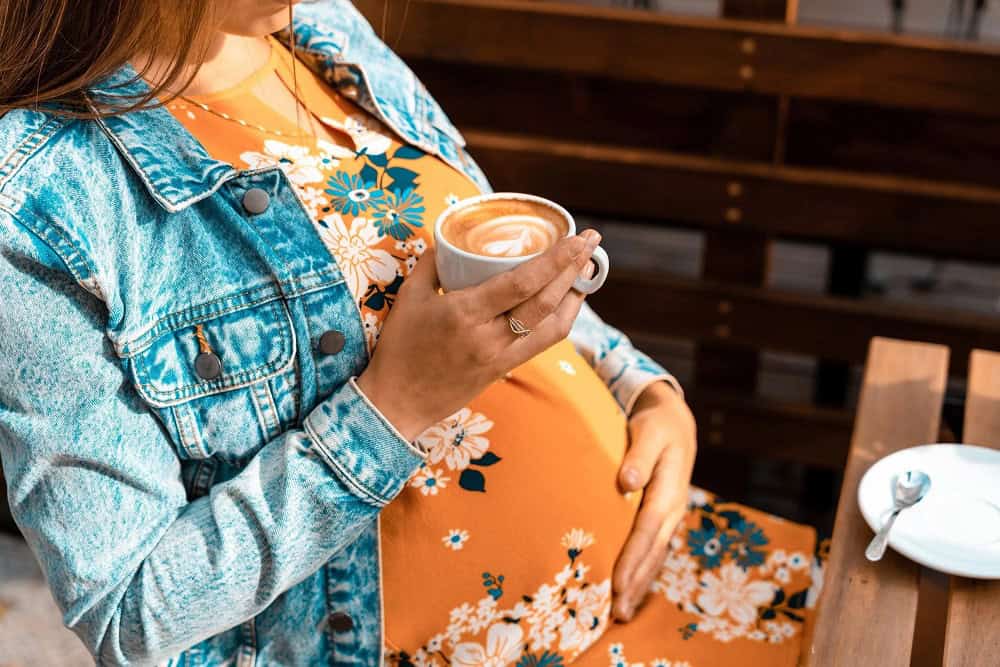
A 2024 study in the Journal of Reproductive Biology & Endocrinology found that women consuming over 300mg of caffeine daily had menstrual cycles 0.5-1 day longer than those who avoided caffeine.
Interference with Natural Ovulation Processes
The second mechanism by which caffeine affects fertility is direct interference with ovulation and egg transport.
Fallopian Tube Function Caffeine affects the contractions of the fallopian tubes – crucial for transporting eggs from the ovaries to the uterus. When this mechanism is disrupted:
- Eggs move more slowly than normal
- Risk of ectopic pregnancy increases
- Chances of sperm-egg encounter decrease
Reduced Ovarian Blood Flow A 2017 Doppler ultrasound study found that women with high caffeine intake had 15-20% reduced blood flow to their ovaries compared to those who avoided caffeine. This directly affects:
- Egg quality
- Follicle maturation processes
- Response to stimulating hormones
These mechanisms show that caffeine affects not only hormones but also interferes with basic reproductive physiology. This explains why even “safe” amounts of caffeine can still impact fertility in some sensitive women.
A 1997 meta-analysis by the European Study Group on Infertility and Subfecundity – one of the most comprehensive studies on this topic – followed thousands of couples from 5 European countries. Results showed that women consuming over 300mg of caffeine daily (equivalent to 3-4 cups of coffee) had an average 1.5-2 month longer time-to-pregnancy compared to the caffeine-free group. While this may seem small, it’s statistically significant.
Women at Higher Risk
Not all women are equally affected by caffeine. Research identifies particularly sensitive groups:
Women Over 35 A U.S. cohort study found that women over 35 are twice as sensitive to caffeine as younger women due to:
- Decreased caffeine metabolism with age
- Lower ovarian reserve
- Increased susceptibility to oxidative stress
- Naturally declining estrogen levels, worsened by caffeine
Women with Menstrual Irregularities Women with already irregular menstrual cycles are more severely affected by caffeine. In this group, even 150mg of caffeine daily can increase time-to-pregnancy by 30-40%.
A 3-Phase Specialty Coffee Approach for Your Fertility Journey
Rather than completely eliminating caffeine, we can harness the benefits of specialty coffee – lower in toxins and higher in antioxidants – to create a sustainable, practical plan. Caffeine sensitivity varies with natural hormone cycles, so we can apply a “trimester approach” for optimization.
| Phase | Characteristics | Protocol |
| Phase 1: Pre-conception (3-6 months prior) | Ideal time to transition from commercial to high-quality specialty coffee. Goal: reduce to 100mg caffeine/day |
Why single-origin: Clear traceability, fewer pesticides, high chlorogenic acid content for antioxidant benefits |
| Phase 2: Active trying-to-conceive | Reduce to 50mg caffeine/day – equivalent to “first trimester safety levels” |
Specialty tip: Choose natural/honey process for decaf to maintain complex flavors |
| Phase 3: IVF preparation or suspected pregnancy | Apply strict “first trimester” guidelines: <25mg caffeine/day |
|
This strategy allows you to maintain your specialty coffee passion while optimizing fertility chances. The key is listening to your body and adjusting flexibly – every woman has a different tolerance threshold.
Key Takeaways
The evidence shows that caffeine’s impact on fertility isn’t just hearsay but has solid scientific backing. However, the degree of impact depends on many individual factors, requiring a flexible approach for each case.
The answer to “Does coffee reduce fertility?” isn’t a simple yes or no. Scientific research shows caffeine can indeed affect fertility, but the extent depends on dosage, source, and individual characteristics. If you’re on a fertility journey, consult with a reproductive specialist to develop a plan that’s right for your individual health status. Each person is unique, and what works for others may not be optimal for you.
Frequently asked questions
1. I’ve been drinking a lot of coffee for the past 6 months – will this affect my current fertility?
The good news is that caffeine’s effects on reproductive health can be reversed. The egg production cycle takes about 3 months, so if you start reducing caffeine now, your body can rebalance hormones within 2-3 menstrual cycles. Don’t blame yourself for the past – focus on optimizing from today forward.
2. Is decaf coffee really 100% safe when preparing for pregnancy?
Decaf still contains small amounts of caffeine (2-12mg per cup), but this level is considered safe. However, pay attention to the decaffeination method. Choose decaf using the Swiss Water Process instead of chemical methods for maximum safety.
3. Is green tea a better choice than coffee when preparing to conceive?
Green tea contains less caffeine (25-35mg per cup) and has EGCG antioxidants beneficial for reproductive health. However, don’t drink more than 2-3 cups daily, as green tea can interfere with folic acid absorption – a crucial vitamin for fetal development.
4. Does dark chocolate affect fertility like coffee does?
Dark chocolate contains very little caffeine (12mg per ounce) compared to coffee, but does contain theobromine – a similar stimulant. However, these amounts are usually negligible. In fact, high-quality dark chocolate (70-85% cacao) provides magnesium and antioxidants beneficial for reproductive health.
5. Does coffee consumption affect reproductive hormone test results?
Caffeine can temporarily affect hormones like cortisol and insulin, but typically doesn’t skew results of main reproductive hormone tests (FSH, LH, estrogen, progesterone). However, avoid caffeine for at least 4-6 hours before testing for the most accurate results.


-

Cerro Azul #00045 – Inspiration towards natural beauty
-
COFFEE ROASTERY LOCATION IN DANANG GIVES PERFECT TRAVEL EXPERIENCE
-
SCA Sustainability Award 2023 – Honoring and recognizing great contributions to the future of the coffee industry
-
Is single origin coffee specialty coffee?
-
Feel the taste of coffee with begginers




SPECIALTY COFFEE