What is Patisserie? The Cultural Integration of French Patisserie into Vietnamese Coffee Culture
French patisserie first arrived in Vietnam alongside coffee through French missionaries in 1857. When did it become a sophisticated cultural bridge between French heritage and this thousand-year-old civilization?
What is Patisserie?
Patisserie – a term derived from French, refers to the art and products of pastry-making using flour, sugar, eggs, and butter. Originating from the Latin word “pasta” meaning “dough,” it represents the evolution from simple baked goods to sophisticated confections.
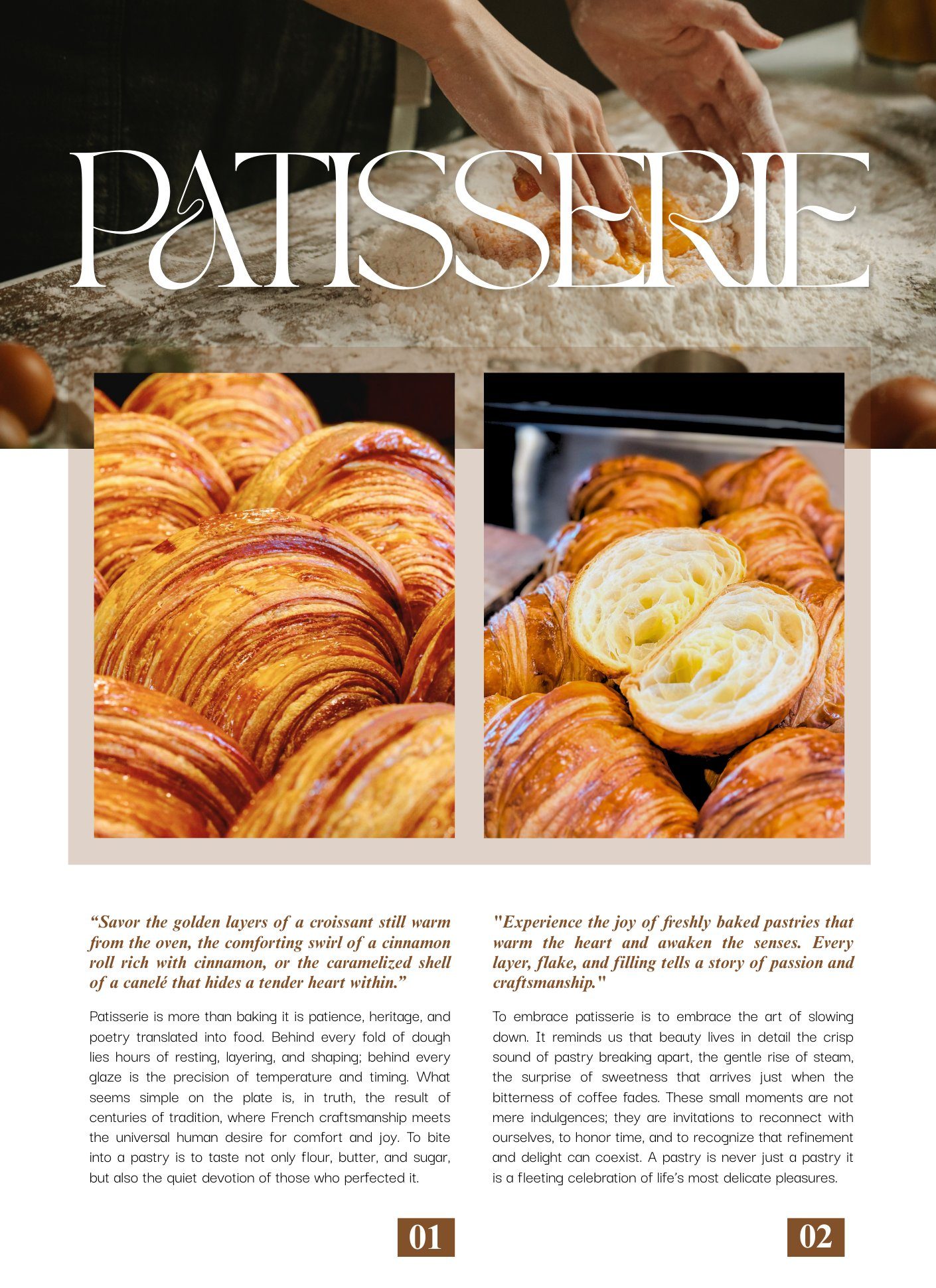
In 1815, chef Marie-Antoine Carême revolutionized French pastry arts by applying architectural principles to patisserie. This marked the pivotal moment when patisserie transformed from traditional handicraft into refined artistry.
- French Colonial Period (1858-1954)
French patisserie first arrived in Vietnam with coffee through French missionaries in 1857. Initially, French pastries were exclusively for the upper class and French expatriates living in Vietnam.
Saigon in the 1960s-70s witnessed the formation of the famous “coffee corridor” featuring establishments like Givral, La Pagode, and Brodard – frequented by international journalists and politicians. These weren’t merely pastry shops but cultural landmarks where French patisserie began integrating with Vietnamese life.
- Modern Revival (1990-present)
The economic reform period opened opportunities for patisserie to flourish again. Brands like Givral Bakery (established 1950) continued maintaining and developing French pastry techniques while adapting to new trends.
- Creative Localization – A Special Highlight
Vietnamese patisserie today is no longer a mere copy but features unique innovations:
- Tropical Fruit Integration: Mango, passion fruit, and guava replacing temperate fruits
- Sugar Adjustment: Reduced sweetness to suit Vietnamese palates
- Flavor Fusion: Creating products with French soul and Vietnamese character
- Local Ingredients: Incorporating coconut, pandan leaves, taro, etc.

Contemporary Vietnamese patisserie has evolved beyond French imitation into a unique cultural phenomenon, representing the sophisticated intersection of tradition and modernity. This development has laid a solid foundation for the coffee-patisserie wave currently transforming Vietnam’s culinary landscape.
The Integration of Patisserie into Vietnamese Coffee Culture
Over the decades, the coffee-patisserie combination has created a quiet revolution in Vietnam’s urban food culture, changing how Vietnamese people enjoy and experience café spaces.
A Breakthrough Trend
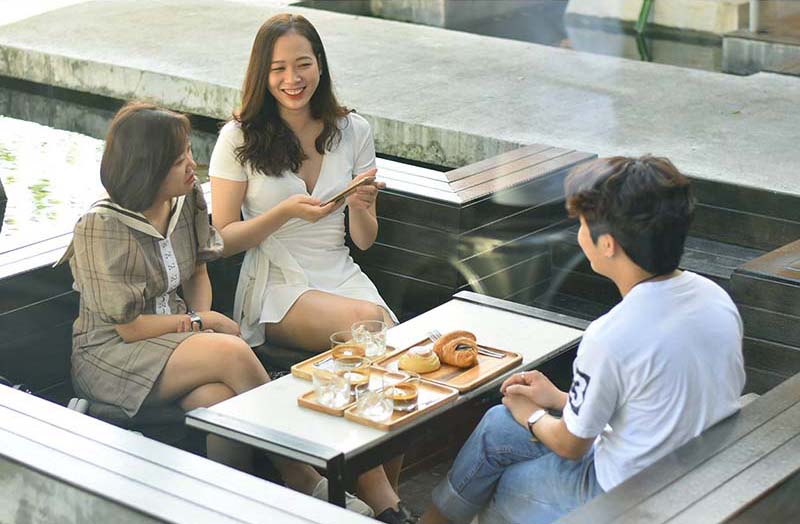
The café-pastry model has introduced a new, modern dining style that resonates with today’s youth. Customers visit not only for coffee but to enjoy pastries as breakfast or for special occasions.
The success of major chains like Highlands Coffee, The Coffee House, and Starbucks has proven this model’s appeal. They’ve created spaces where customers can enjoy pastries, sip beverages, socialize, and share experiences on social media.
Today, going for coffee encompasses:
- Meeting and dating in sophisticated environments
- Social media check-ins and sharing beautiful café spaces
- Diverse culinary experiences
- Enjoying art and creative spaces
This shift impacts not only personal habits but also reshapes the F&B business landscape in major cities.
The emergence of specialized patisserie brands like Pema Patisserie – Salon de Thé and Artemis Pastry, featuring elaborate entremet cakes harmoniously combined with fresh Vietnamese tropical fruits, demonstrates the limitless creative potential of cultural fusion.
The diverse development of patisserie brands has created a rich ecosystem meeting Vietnamese consumers’ increasingly sophisticated demands. From traditional French standards to bold local innovations, Vietnamese patisserie is establishing its unique position on the global culinary map.
In this context, pioneering specialty coffee models like XLIII Coffee are leading deeper cultural integration trends.
XLIII Coffee – The Marriage of French Patisserie and Specialty Coffee
Amid Vietnam’s thriving patisserie scene, XLIII Coffee emerges as a unique phenomenon – where the intersection of French pastry arts and specialty coffee reaches artistic heights.
XLIII Coffee has recognized something magical: both French patisserie and specialty coffee share the same core philosophy. This includes respect for origin, transformation science, and the art of slow craftsmanship.
Two centuries after Marie-Antoine Carême revolutionized patisserie and the first coffee beans from Ethiopia began conquering the world, at XLIII Coffee, we witness a profound dialogue between these two culinary art philosophies.
Choosing classical authenticity, XLIII Coffee creates sophisticated combinations of pastries and coffee through technical precision and ritual-like tasting experiences. From controlling baking temperatures to coffee extraction timing, every detail is calculated to create the perfect “flavor conversation” between products.
XLIII Coffee is expanding its unique cultural fusion model with a nationwide network, maintaining authentic classical patisserie standards:
- XLIII Coffee Da Nang: Classical French patisserie appears amid Central Vietnam’s coastal setting, creating a unique highlight. Traditional Canelé and Madeleine offer refined experiences for this tourist city, creating an interesting contrast with Da Nang’s vibrant street food culture.
- XLIII Coffee Hoi An: Within the historic ancient town’s context, authentic French patisserie creates perfect harmony between Eastern and Western cultures. Classical pastries like sourdough croissants become unique cultural bridges between Vietnamese heritage and French artistry.
- XLIII Coffee Ho Chi Minh City: In the country’s most dynamic city, classical French patisserie offers moments of “slow artistry” amid the hectic pace. Two branches here become sophisticated stopping points for office workers and those seeking refinement in the urban heart.
- XLIII Coffee Hanoi (Opening Soon): The first branch in the capital will bring classical patisserie to Hanoi’s traditional refined culture. French pastry’s appearance here creates intriguing dialogue between Hanoians’ sophisticated spirit and French artistic finesse.
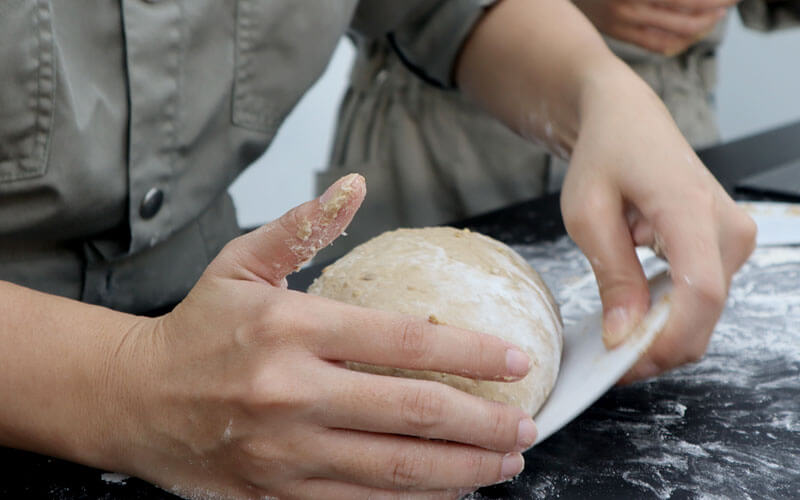
XLIII Coffee gradually embodies the philosophy of cultural fusion. From sourdough croissants with local natural starter to pure coffee from around the world, from traditional French techniques to modern coffee science – all connected by respect for origin, mastery of transformation, and patient creative artistry. This represents the future direction for Vietnam’s patisserie-café industry.
In an era where speed often overwhelms quality, models like XLIII Coffee represent a countercurrent movement – where people can slow down, appreciate refinement, and connect with timeless values of authentic craftsmanship.
Patisserie will continue developing as an integral part of Vietnamese coffee culture, contributing to elevated culinary experiences and building distinct identity for the domestic F&B industry.
Frequently Asked Questions
1. How does patisserie differ from regular bakery?
Patisserie focuses on refined pastry artistry with complex techniques (like entremet, choux pastry), while regular bakeries produce diverse bread and simple pastries for daily needs.
2. Why does patisserie pair well with specialty coffee?
Both share the terroir philosophy (respecting origin), fermentation science, and slow artistry. Technical precision and refined tasting experiences create perfect harmony.
3. Are patisserie prices in Vietnam expensive?
Patisserie prices are higher than regular pastries due to quality imported ingredients, complex techniques, and extended preparation time. However, the value lies in quality and artistic experience.
4. How can you identify quality patisserie?
Observe pastry structure (even crust, no cracks), balanced flavors (not overly sweet), fresh ingredients, and refined presentation. Quality patisserie typically has clear ingredient sourcing.
5. How will Vietnamese patisserie trends develop?
Moving toward creative combinations of traditional French techniques with local ingredients, developing flavors suited to Vietnamese palates while maintaining international standards in technique and quality.