Checklist for a standard coffee roastery in Da Nang
is roasted before reaching the consumer. In reality, within the specialty coffee industry, a roasting plant is a specialized production system where quality is determined by process, technology, and people, not by fleeting inspiration. Unlike small-scale, artisanal roasting operations, specialty roasting plants are built to ensure stability, repeatability, and quality control, meeting the consistent flavor demands of businesses, cafe owners, and discerning coffee connoisseurs who value precision in every roasting record.
Factors reflecting the capabilities of a roastery.
The biggest difference between specialty coffee roasting and regular coffee roasting isn’t the price of the coffee beans, but the approach to quality. With specialty roasting , it’s not an impulsive act, but a process with a clear objective: to highlight the natural characteristics of the beans and maintain consistency between batches.
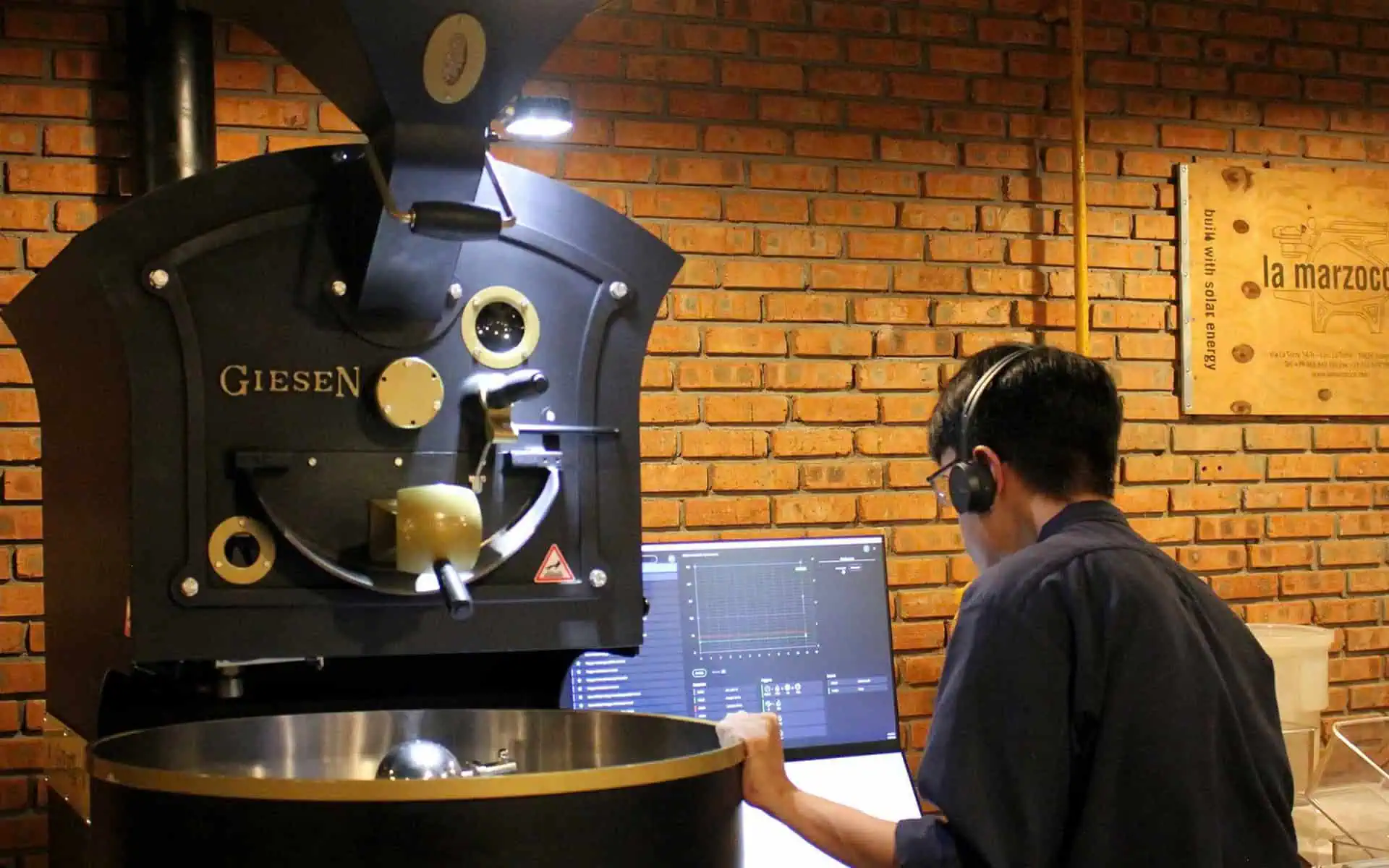
While conventional coffee roasting may accept variations in flavor from roast to roast, specialty coffee roasters view such variability as a risk. Each roast not only needs to be “delicious,” but needs to be reproduced nearly identically over time, to ensure a consistent experience for both the drinker and the coffee shop.
Factors that reflect the capabilities of a specialty coffee roastery.
The competence of a specialty coffee roastery cannot be judged solely by the final cup of coffee; it lies in the operational system behind it. First and foremost is the approach to green coffee beans: understanding their origin , harvest season, and bean characteristics, and storing them under controlled conditions to maintain consistent quality before roasting.
In addition, the ability to control the roasting process is crucial. Machines are just tools; quality comes from whether the roastery consistently monitors and adjusts the temperature, airflow, and roasting profile. Specialty roasteries don’t roast “by feel,” but rather based on data and specific flavor goals.
Finally, there’s quality control. Regular cupping and comparison of roast batches helps the roastery detect deviations and maintain long-term consistency, rather than relying solely on a few initial good roasts.
The three technical pillars of a standard specialty coffee roasting facility.
In specialty coffee, quality doesn’t come from a single, randomly excellent roast, but rather from a consistently developed and controllable technical system. A standard roastery doesn’t rely on individual feel or experience, but operates on clear, measurable, and repeatable pillars.
- Pillar 1: Procurement and management of green coffee beans
Roasting doesn’t create quality; it only reveals what already exists in green coffee beans . Therefore, the roastery’s competence is demonstrated from the way it selects, evaluates, and stores the raw materials. Green beans need to have a transparent origin, be assessed based on basic indicators such as moisture content, density, and defects, and be stored under controlled temperature and humidity conditions to maintain quality stability before roasting.

- Second pillar: Roasting technology and profile control capabilities.
The biggest challenge for a roastery isn’t achieving a perfect roast the first time, but consistently replicating that roast. This requires a system for monitoring and recording roasting data, controlling temperature, airflow, and rate of return (RoR). A professional roastery also develops different profiles for various uses such as espresso, filter, or B2B, instead of applying a single formula.

- Third pillar: Quality control system and people
Quality control is the dividing line between professional roasting and haphazard roasting. Roast batches need to be cupped regularly, compared to a benchmark profile, and assessed for consistency over time. The head roaster plays a central role, not only operating the machines but also establishing, maintaining, and communicating a system of standards so that quality doesn’t depend on a single individual.

These three pillars are closely linked in a complete system. Only when raw materials, technology, and quality control are synchronized can a specialty coffee roastery maintain consistent quality and achieve sustainable growth.
Common risks and mistakes when choosing a specialty coffee roastery.
In the practical operation of a specialty coffee shop, choosing a roastery is often overlooked in the early stages. Many problems only become apparent when quality starts to fluctuate, customer feedback declines, or the shop expands. A large portion of these risks stem from partnering with a roastery that lacks a proper system or doesn’t align with long-term goals.
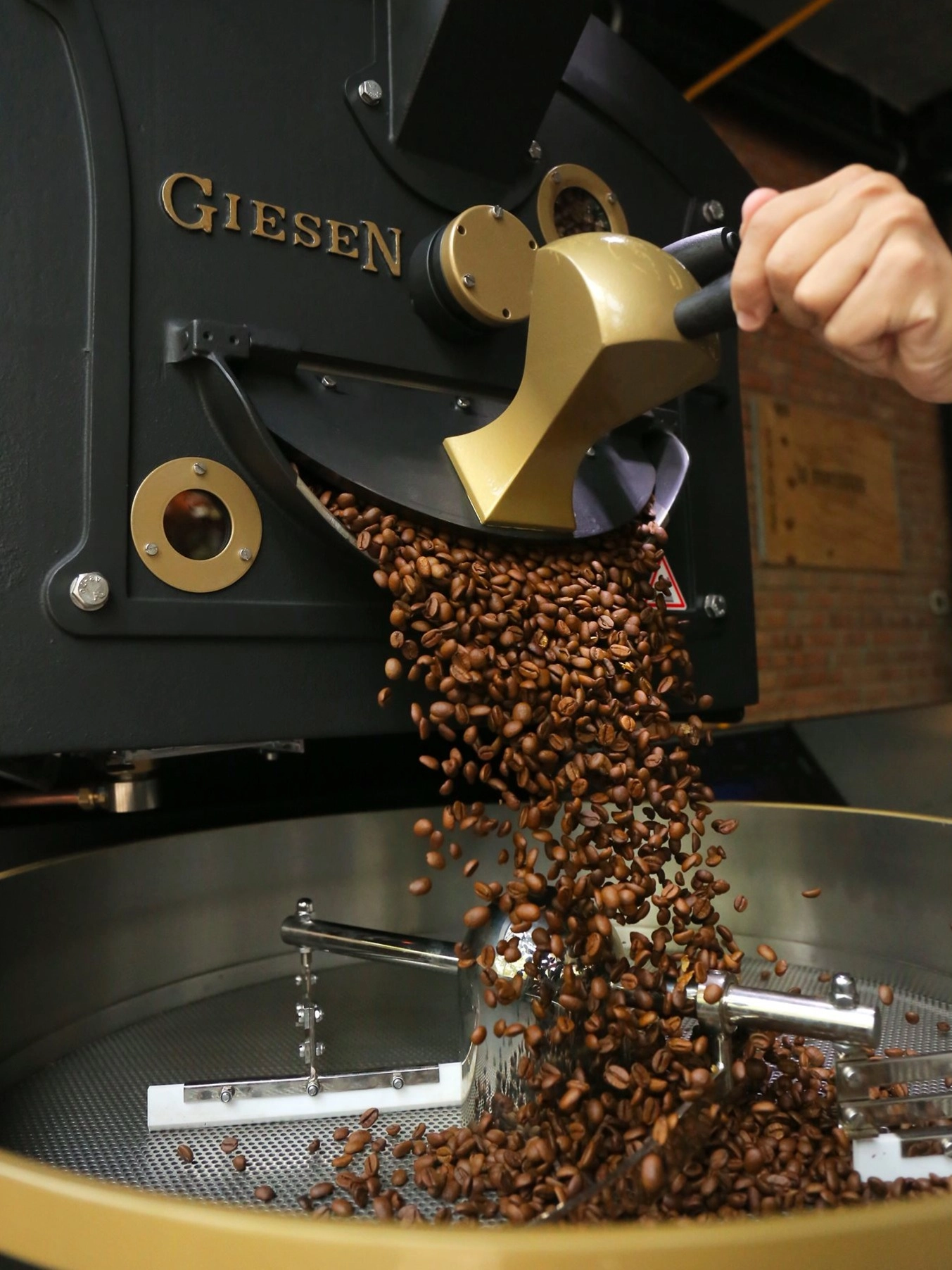
Quality is inconsistent between roasting batches.
A common mistake is judging a roastery based on the first few batches. Without process control and roasting data, quality can easily fluctuate between batches, forcing baristas to constantly adjust recipes and reducing consistency in the customer experience.
Flavors drift with time.
Without a standardized profile and regular cupping process, the taste of coffee can change slowly but continuously. This gives customers a sense of inconsistency and erodes brand trust.
Lack of technical support
Viewing a roastery as merely a supplier of coffee beans is a major mistake. For specialty coffee shops, the roastery needs to act as a technical partner, supporting adjustments to profiles, brewing formulas, and adaptation to real-world operating conditions. Without this collaboration, the shop struggles to optimize quality and achieve sustainable expansion.
It depends on how an individual roasts it.
When quality depends almost entirely on a single master roaster, the risk arises immediately upon that individual’s absence or departure. A high-quality roastery needs robust processes and a strong team to maintain quality independently of individual personnel.
The Specialty coffee roasting facility operates according to standardized systems.
In reality, a high-quality specialty coffee roastery isn’t judged by a few batches of delicious roasts, but by its ability to maintain consistent quality over the long term. XLIII Coffee is an example of this approach, with its roastery built on the pillars of raw materials, technology, and quality control.
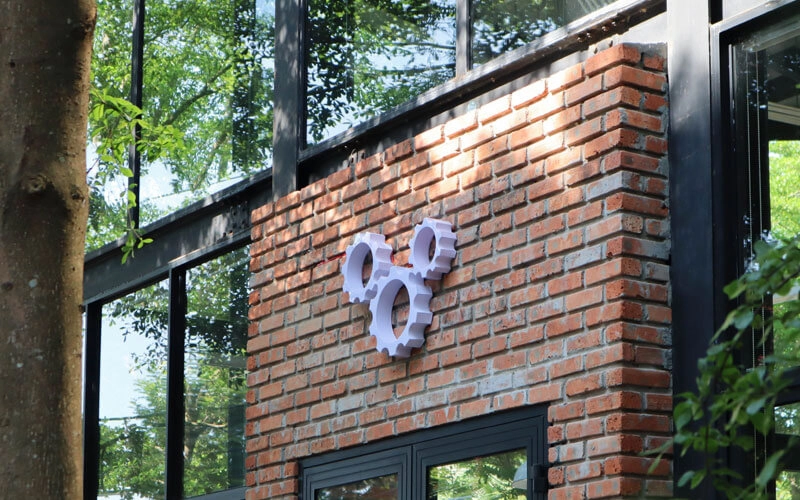
The green coffee beans here are selected based on origin and season, and stored under controlled conditions to ensure quality before roasting. The roasting system focuses on consistently reproducing the profile, especially with light and ultra-light roasts – where even small deviations significantly affect flavor.
Furthermore, the cupping process and regular quality control ensure that quality is not dependent on personal whim. This approach shows that a true Specialty roastery is where quality is guaranteed by a system, not just by the most outstanding roasts of the moment.
In conclusion,
With its solid technical foundation, standardized operating system, and long-term partnership orientation, XLIII Coffee is not simply a specialty coffee roastery, but a reliable partner for businesses and coffee connoisseurs seeking sustainable quality!