How Older Adults Can Enjoy Coffee Without Harming Their Liver?
As we age, it’s common to worry about the things we once enjoyed—coffee being one of them. Many older adults ask: “Does drinking coffee put extra stress on my liver?” The answer isn’t simply yes or no. It depends on how you drink it, what kind of coffee you choose, and when you consume it. In this article, we’ll explore how seniors can continue enjoying coffee in a way that supports liver function instead of straining it.
Coffee is not harmful to the aging liver
Contrary to popular belief, coffee—when consumed properly—is not harmful to the liver. In fact, numerous studies show that pure black coffee can help reduce the risk of liver fibrosis and liver cancer, thanks to its strong anti-inflammatory and antioxidant properties.
However, aging changes the way our bodies metabolize substances like caffeine. The liver becomes less efficient at filtering and regenerating. Blood flow to the liver slows down, detoxification weakens, and glycogen storage declines. Meanwhile, years of high-fat, high-sugar diets and limited physical activity may have already taken a toll—leading to conditions like fatty liver, chronic inflammation, or impaired metabolism.
That’s why, for older adults, drinking coffee without considering timing, quantity, or quality can lead to unwanted side effects such as:
Insomnia
Elevated blood pressure
Rapid heartbeat
Anxiety or restlessness
These reactions often lead people to assume “coffee is bad for the liver”, when in reality, the issue lies in how it’s consumed.

There’s no denying that caffeine is a stimulant. It increases alertness and heart rate and, when taken at the wrong time, can disturb sleep or cause jitters. As we age, our bodies become more sensitive to these effects: the liver processes caffeine more slowly, and our nervous system becomes more reactive.
But that doesn’t mean coffee is the enemy. In fact, if consumed wisely, coffee can benefit the liver and overall well-being of older adults.
Scientific research from around the world has confirmed that coffee can:
Reduce fat accumulation in the liver by boosting adiponectin, a natural anti-inflammatory hormone
Slow the progression of liver fibrosis, helping prevent cirrhosis
Stabilize liver enzyme levels, reducing inflammation and the risk of chronic liver disease
Improve blood circulation and support healthy digestion, especially when consumed in the morning
The key isn’t whether to drink coffee—but how to drink it, with an understanding of your own body.
What does “drinking coffee the right way” mean for older adults?
Today, we have better access to clean, specialty-grade coffee that is low in acidity and free from harmful additives. That gives us the opportunity to revisit old beliefs and make more informed choices.
The issue isn’t coffee itself—it’s the type of coffee and how it’s consumed. So, what does “right” look like?
1. Choose clean, pure coffee with low acidity.
Avoid instant mixes with artificial flavoring, syrups, or creamers. Opt for light- or medium-roast Arabica beans, which are gentler on the stomach and easier on the liver.
2. Skip the sugar, condensed milk, or fatty creamers
These add unnecessary burden on the liver and cardiovascular system. If you want to enhance flavor naturally, try:
Unsweetened nut milks like almond or oat
A pinch of cinnamon or ginger
Natural sweeteners like stevia
3. Limit yourself to one cup a day—preferably after breakfast
A 4–6 oz (120–200ml) cup of mild coffee is enough for most older adults. Avoid drinking it on an empty stomach or after 3 PM to prevent sleep disturbances.
4. Don’t use coffee as a quick fix for fatigue
Coffee can’t replace sleep or proper nutrition. If misused, it can create a cycle of hidden stress on the body—leaving you more tired, not less.
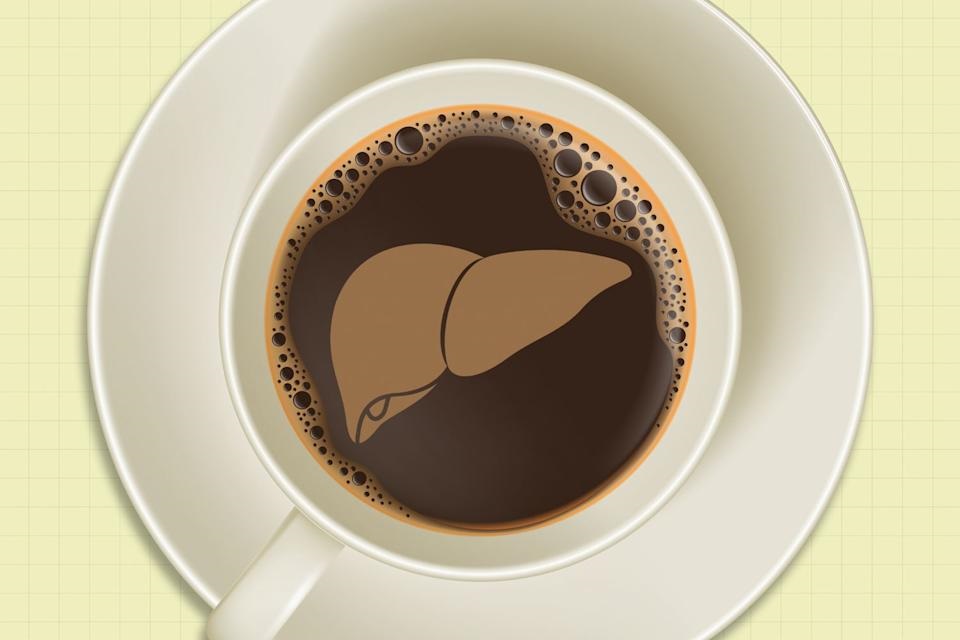
Ultimately, there is no one-size-fits-all formula. Some seniors tolerate a strong morning coffee just fine. Others need to reduce their intake or switch to decaf. What matters is listening to your own body and treating coffee as part of a healthy, balanced lifestyle—not a crutch.
When should older adults be cautious with coffee?
If you have the following conditions, it’s best to consult a doctor before making coffee a daily habit:
Uncontrolled high blood pressure
Irregular heartbeat or arrhythmia
Chronic anxiety or frequent insomnia
Medications that interact negatively with caffeine
In such cases, decaffeinated coffee (decaf) may be a gentler alternative. It retains many of coffee’s natural health benefits without overstimulating the nervous system.
There’s no need for older adults to give up coffee. In fact, a well-chosen cup of black coffee every morning—mindfully prepared and enjoyed—can be a small act of care for your liver, your heart, and your daily mood. Because staying healthy isn’t just about avoiding illness. It’s also about keeping the little joys that make life feel vivid, clear, and fully your own.