The Complete Guide to Brewing Coffee for People with Diabetes
Why is it crucial to know exactly how to brew coffee for people with diabetes? Because if you brew it incorrectly or choose the wrong ingredients, coffee can become a factor that disrupts blood sugar levels. Let’s go through each step of the brewing process—from ingredient selection principles to extraction methods—to ensure that every cup of coffee you drink is a health-conscious choice.
Why brewing method affects blood sugar?
It’s not just the coffee itself, but how you brew it—the ratio of water to grounds, extraction time, and whether you add sugar—that all influence blood sugar levels after drinking.
- If brewed too strong or with added sugar, cream, or toppings → blood sugar levels can spike suddenly
- If brewed too weak or consumed on an empty stomach → can easily lead to hormonal imbalances
- Conversely, proper brewing with suitable ingredients can help stabilize blood sugar, especially thanks to the natural antioxidants in pure coffee
3 principles for brewing coffee for diabetics
First: Avoid all forms of sweetening
Do not add sugar, condensed milk, cream, or any toppings. If you need a touch of mellowness, choose naturally sweet coffee varieties like light-roasted Arabica from Typica or Bourbon cultivars, or natural processed coffees rich in esters—which naturally provide fruity, honey-like aftertastes without needing any additions.
Second: Strictly control the ratio of grounds to water
The ideal ratio ranges from 1:15 to 1:17, meaning 15-17ml of water per gram of coffee. If using 12g of coffee, the water amount should be around 200ml. Grind size also needs to match the brewing method: slightly coarse for pour-over, or very coarse for cold brew.
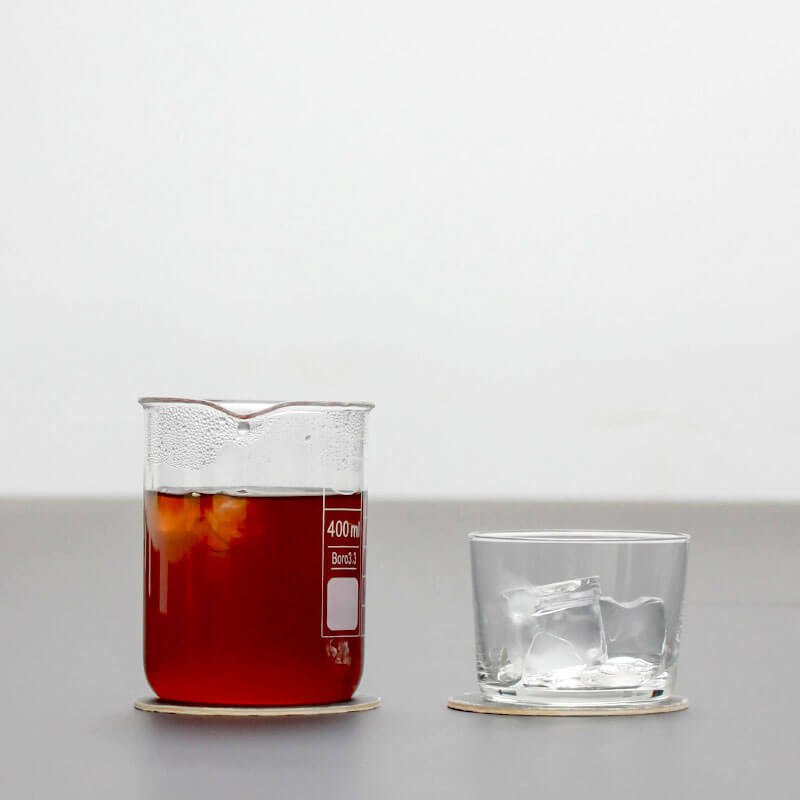
This ratio not only helps achieve consistent extraction but also mellows the caffeine and reduces overall acidity in your cup.
Third: Choose gentle extraction methods with minimal pressure
Pour-over methods (like V60 or Kalita) and drip coffee are top choices due to their ability to control temperature and pouring speed. Cold brew suits those who need to reduce strong acidity or prefer cold coffee.
If you still love traditional Vietnamese-style coffee, you can use a phin filter—but absolutely no condensed milk—and use a smaller phin with less grounds than usual, shortening the drip time to avoid over-extraction.
Step-by-step brewing suggestions for home use for diabetics
Pour-over (V60, Kalita)
This is an easy-to-execute method that’s simple to control for temperature and timing when brewing at home. It delivers bright, clean flavors with minimal bitterness—perfect for pure light-roasted coffee. Basic instructions:
- 12g coffee – 200ml water at 92-94°C (198-201°F)
- Pour in steady circular motions over 2-3 minutes

If you have time, try the Filter method developed by XLIII Coffee. It shares the same principles as pour-over but is completely optimized technically to achieve the most perfect extraction from pure Arabica beans.
Cold Brew
This is a low-acid, low-caffeine, easy-drinking variation for sensitive individuals and is often chosen by people with diabetes. Simple method:
- 1 part coarsely ground coffee + 8 parts filtered water
- Steep cold for 12-18 hours
- Filter thoroughly before use
Quick comparison chart
| Method | Caffeine | Acid | Aftertaste | Suitable for Diabetics |
|---|---|---|---|---|
| Espresso | High | High | Bold, intense | Not recommended |
| Pour-over | Medium | Medium | Clean, bright | Highly suitable |
| Cold Brew | Low | Low | Smooth, mild | Highly suitable |
| Iced coffee with milk | High + Sugar | High | Sharp, sweet | Should not use |

Coffee is not the enemy of people with diabetes. In fact, the relationship between coffee and diabetes is extremely positive. The problem lies in how we brew and drink it. Drinking on an empty stomach, drinking too much, consuming flavored or artificially enhanced coffee, or adding high-sugar toppings—these are the reasons that lead to negative consequences. But when properly controlled, coffee can help you stay alert, improve metabolism, and even support weight management.
Related Questions
1. Should people with diabetes drink coffee daily?
Yes, you can—if the coffee you drink is pure coffee without added sugar or milk, properly brewed and suitable for your constitution. Some studies suggest that moderate coffee consumption may support glucose metabolism and reduce insulin resistance risk. However, start with small amounts and monitor your body’s response.
2. Is cold brew really better for people with diabetes?
Cold brew typically has lower acidity and a milder taste, helping limit digestive irritation and stabilize blood sugar better than some other extraction methods. If you’re someone with a sensitive constitution, especially prone to blood sugar spikes when drinking strong coffee, cold brew is worth trying.
3. Can I substitute sugar with honey or nut milk when brewing coffee?
Honey still has a high glycemic index despite being “natural,” so it’s not recommended. Some unsweetened nut milks, like pure almond milk, can be used in small amounts if you want to reduce intensity or mellow bitterness—but always check ingredient labels to avoid hidden sugars.
4. What type of coffee is most suitable for home brewing for diabetics?
Light-roasted Arabica varieties, decaf, or naturally fermented (natural processed) coffees are typically less bitter, have sweet aftertastes, and lower caffeine content, making them very suitable for home brewing. You can refer to our article on “Specialty Coffee for People with Diabetes” to understand each specific choice in more detail.
5. If I already have an espresso machine at home, can I still use it?
Yes, but you need to carefully control dosage and bean type. Use Arabica beans, limit double shots, and avoid adding syrups, milk, or cream. Additionally, drink after meals to avoid sudden blood sugar fluctuations. For safer options, consider pour-over or cold brew—methods that are easier to control and more suitable for people with diabetes.