How Caffeine Affects Children’s Height Development
Children whose mothers consumed caffeine during pregnancy are 2.2cm (0.87 inches) shorter at age 8 compared to children whose mothers avoided caffeine – this surprising finding from a long-term study by the U.S. National Institutes of Health (NIH) has caught many parents off guard. After examining the immediate effects of caffeine on fertility and pregnancy, today we’ll explore the unexpected long-term consequences – the impact on children’s height development from ages 0 to 8.
How Caffeine Affects Children’s Height Development Mechanisms
To understand why caffeine impacts children’s height, we need to analyze the biological mechanisms through which this stimulant affects bone development and the nutritional absorption system.
Caffeine Blocks Calcium Absorption – The “Enemy” of Bone Development
Caffeine has a clear but modest effect on calcium absorption through the intestines and increases calcium excretion through urine. What’s concerning is that high caffeine doses (800mg) can double the amount of calcium lost through urine.
Specific mechanisms:
- Reduced calcium absorption: Caffeine can interfere with calcium transport systems in the intestinal lining
- Increased kidney excretion: Caffeine stimulates the kidneys to eliminate more calcium than normal
- Long-term impact: The negative effects of caffeine on calcium absorption can be completely offset by just 1-2 tablespoons of milk
Disruption of Bone Formation (Endochondral Ossification)
Beyond affecting calcium, caffeine also directly impacts bone formation – a mechanism equally important in determining a child’s final height.
Animal studies show that caffeine can affect bone development. In one study, giving caffeine to pregnant mice resulted in slower bone development in the fetuses.
Affected processes:
- Caffeine interferes with the conversion of cartilage to new bone
- Affects cell division at the ends of long bones
- Reduces bone mineralization efficiency during development periods
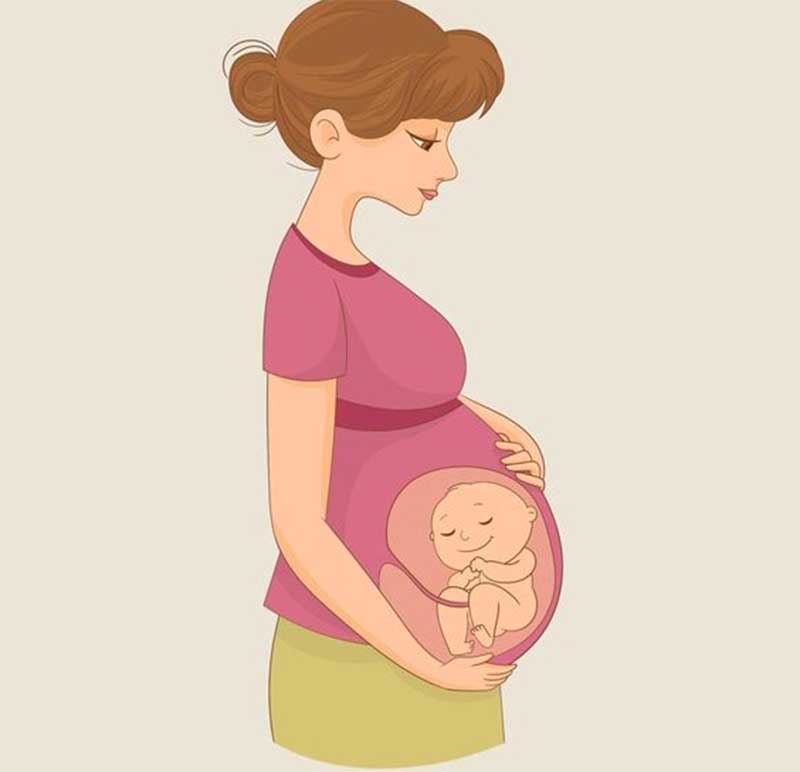
Does heavy coffee consumption during pregnancy risk having shorter children?
Thus, caffeine creates a negative “domino effect” – from blocking calcium absorption to disrupting natural bone formation processes. These two mechanisms combine to create long-term impacts on children’s height, particularly severe during rapid growth periods.
Scientific Evidence from Long-Term Studies (Ages 0-8)
After understanding the mechanisms, let’s examine real evidence from large-scale scientific studies – these numbers will show the severity of the issue.
NIH Breakthrough Study: Following Over 2,400 Mother-Child Pairs
Researchers led by Jessica Gleason, Ph.D., and Katherine Grantz, M.D., from NIH’s Population Health Research Division analyzed data from two previous studies.
Rigorous study design:
- Scale: Over 2,400 multi-ethnic pregnant women
- Measurement method: Analysis of caffeine and paraxanthine (caffeine breakdown product) concentrations in blood samples
- Controlled variables: Maternal height, pre-pregnancy weight, smoking status
Age-Related Results – Alarming Trends
| Age | Height Difference | Statistical Significance |
| 0-2 years | Not pronounced | No significant difference |
| 4 years | 0.68cm (0.27 inches) | Beginning significance |
| 6 years | 1.8cm | Gradually increasing |
| 8 years | 2.2cm (0.87 inches) | Most pronounced |
Notable finding: On average, pregnant women in the study consumed less than 50mg of caffeine per day – a level considered “safe” but still showing measurable effects.

Supplementary Study from Norway: Over 59,000 Mother-Child Pairs
For a more comprehensive view, we need to consider data from a much larger study conducted on European populations with different living conditions.
A cohort study of 59,123 pregnant women in Norway showed that women consuming >200mg caffeine/day had a 62% increased risk of having low birth weight babies.
Important findings:
- Low birth weight babies have prolonged stunting risks
- Children exposed to high caffeine during pregnancy are smaller at birth, grow faster during breastfeeding, and maintain higher weight throughout childhood without significant height differences
Low Birth Weight Risks and Prevention Strategies
With clear scientific evidence, we now need to focus on the most practical issue: how to protect our children from these negative effects.
Connection Between Birth Weight and Adult Height
Lower birth weight may put newborns at higher risk for obesity, heart disease, and diabetes later in life.
Cumulative risk matrix:
| Combined Factors | Risk Level |
| Caffeine + Low birth weight | Prolonged stunting |
| Caffeine + Poor nutrition | Double impact |
| Caffeine + Smoking | Maximum risk |
Based on the studies analyzed, we need to reassess current recommendations and provide more practical guidance for parents.
Current recommendations:
- The American College of Obstetricians and Gynecologists recommends pregnant women limit caffeine to under 200mg/day
- Research shows even low caffeine amounts during pregnancy may have long-term effects on child development
Practical recommendations:
- Pre-pregnancy preparation: Reduce to <100mg/day from 3 months before
- During pregnancy: Apply trimester principles mentioned in previous articles
- While breastfeeding: Control to <150mg/day, 2-3 hours between consumption and nursing
Safe Caffeine Replacement Plan
Sudden caffeine withdrawal can cause discomfort, so a gradual, scientific, and easy-to-implement plan is needed.
Gradual withdrawal phase (7 days):
- Days 1-2: Reduce to 50% of usual amount
- Days 3-4: Only 25% of usual amount
- Days 5-7: Switch completely to decaf
Replacement options:
- Decaf coffee combined with 1 tsp cocoa powder
- Ginger lemon tea (anti-nausea)
- Detox water with mint (maintains alertness)
Overall, preventing caffeine’s impact on children’s height isn’t just about limiting consumption, but requires a comprehensive strategy from pre-pregnancy preparation through breastfeeding. Gradual replacement will help expectant mothers maintain good health while protecting their child’s optimal development.
Invest seriously in your child’s future foundation!
As Dr. Grantz emphasized: “Our findings suggest that even low amounts of caffeine during pregnancy may have long-term effects on child development.” While the observed height difference is small – less than an inch – this opens important questions about cumulative effects.
Images used in this article are collected from various sources.
Frequently Asked Questions
1. Is decaf coffee completely safe?
Decaf coffee still contains 2-12mg of caffeine per cup, but this level is considered safe for pregnant women.
2. If I’ve already consumed a lot of caffeine during pregnancy, what can I do?
Start reducing immediately and increase calcium and vitamin D supplementation. Consult your doctor for close monitoring.
3. Chocolate also contains caffeine – should it be limited?
A 28g dark chocolate bar contains about 12mg of caffeine – a safe level but should be counted toward daily totals.


-

The rising coffee prices is causing many concerns
-
Economic sustainability in the coffee industry and what you may not know
-
SPECIALTY COFFEE – THE LUGGAGE AND AN ADVENTURE OF COFFEE BEANS (PART 2)
-
Acne skin should be limited to drinking coffee
-
Does drinking coffee with lemon help lose weight?




SPECIALTY COFFEE