The future of the specialty decaf coffee market
The continuous improvement of technology and techniques has allowed manufacturers to constantly upgrade their decaffeination processes. As a result, the flavor and quality of decaf coffee have improved, becoming closer to the experience of regular coffee and better meeting the tastes of modern consumers. For many years, decaf coffee was considered a stable growth segment in the global coffee market. However, recently, some major producers have reported a decline in revenue, raising the question of whether the decaf market is entering a stagnation phase.
Thị trường decaf hiện tại đang điều chỉnh điều gì
According to Maximize Market Research , the global desiccated coffee market was valued at approximately US$15.3 billion in 2022 and is projected to continue growing between 2023 and 2030. It is estimated that by 2029, the market size could reach US$22.58 billion, with a compound annual growth rate (CAGR) of approximately 6.7%.
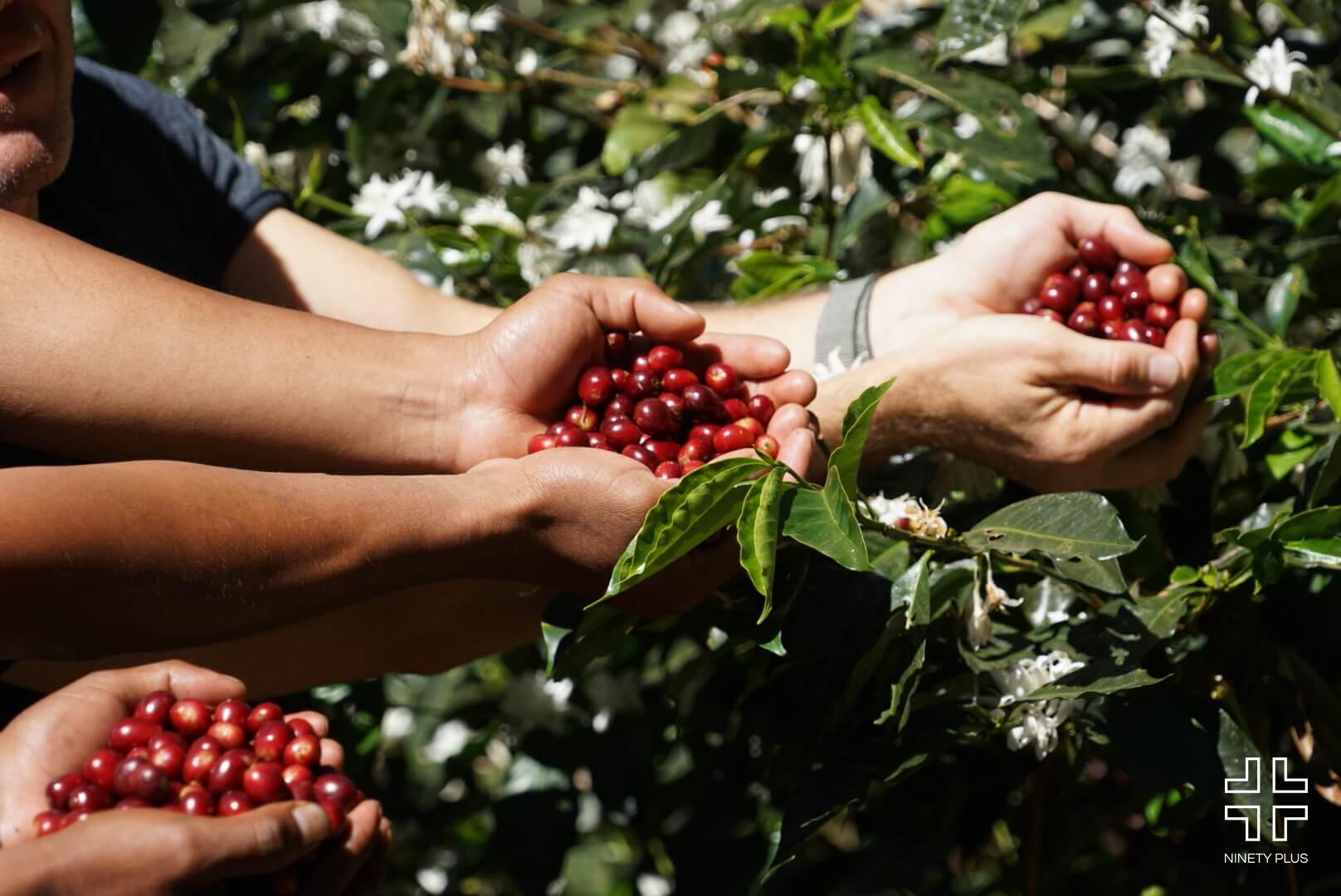
However, alongside the long-term growth outlook, some decaf businesses have recorded short-term revenue declines. A prime example is Swiss Water – a company renowned for its water-based decaffeination method in Canada – whose third-quarter 2023 revenue decreased by approximately 29%. According to the company, this decline was primarily due to the relocation of its production facility from Burnaby to Delta, resulting in temporary capacity limitations. Additionally, lower green coffee bean prices compared to the same period in 2022 also contributed to changes in market purchasing behavior.

These data suggest operational and supply chain adjustments, rather than a sign of declining consumer demand for decaf coffee.
Quality differentiation and the rise of specialty decaf.
According to industry market developers, the localized decline in sales does not reflect the overall decaf market. Representatives from Decadent Decaf Coffee Co. suggest that this period is temporary and partly due to the fact that many mass-produced decaf products have not yet created sufficiently distinct differences in quality and flavor.
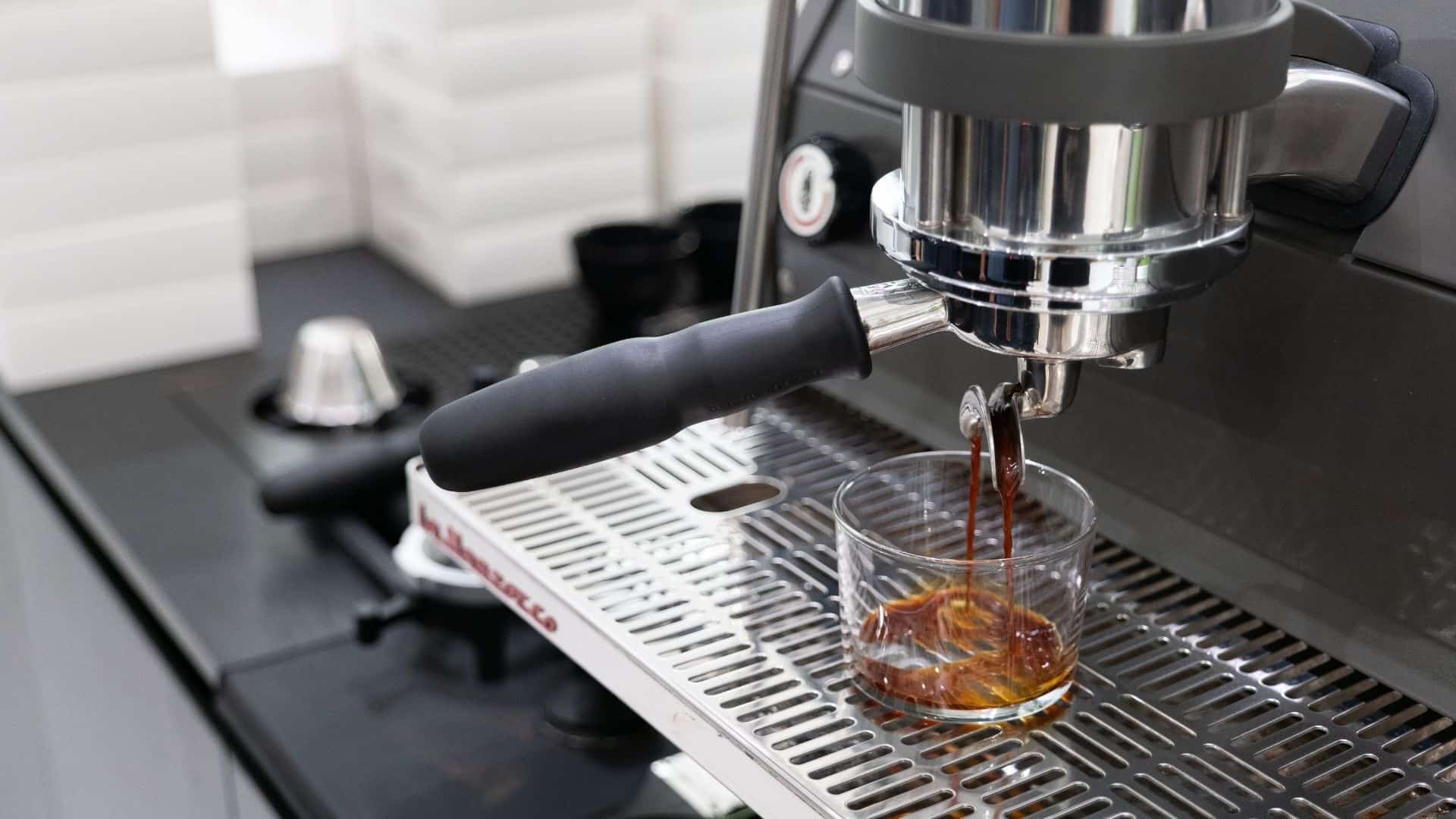
Meanwhile, a parallel trend is emerging: a growing distinction between mainstream and specialty decaf. The need to control caffeine intake , coupled with increased health awareness, is driving consumers to seek decaf with traceable origins, safe desulfurization processes, and preserved bean flavor characteristics. Methods such as Swiss Water, supercritical CO₂, and EA derived from natural sugarcane are becoming increasingly popular in this segment.
No longer just an “alternative,” specialty decaf is increasingly being seen as a deliberate choice, where bean quality, processing, and roasting remain central.
Where is Decaf heading in the specialty coffee ecosystem?
Despite short-term fluctuations, decaf coffee remains a promising niche market in the long term. The growth of specialty coffee culture means that drinkers no longer seek coffee solely for caffeine, but for the flavor experience. Once they reach their personal caffeine threshold, decaf becomes a way for them to continue drinking coffee without sacrificing the enjoyment.
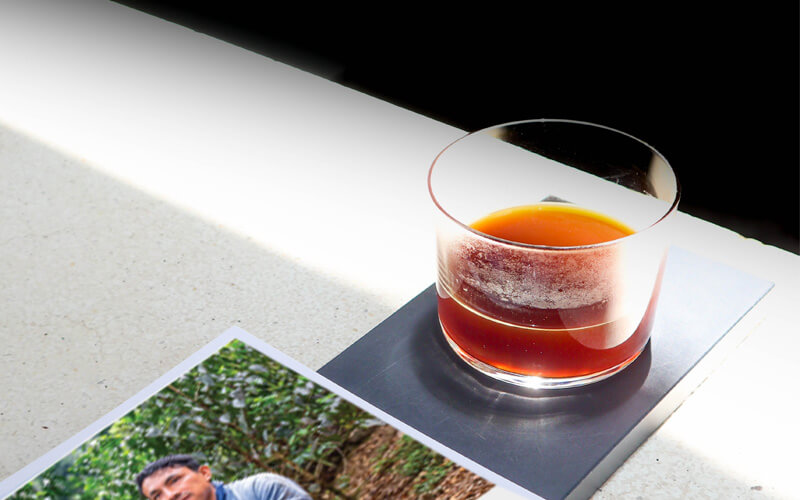
Simultaneously, naturally occurring coffee varieties with low caffeine content, such as Laurina, Coffea charrieriana, and some newly discovered Arabica varieties from Ethiopia , are also opening up new avenues for the market. All of this shows that decaf is no longer outside the specialty coffee ecosystem, but is gradually becoming a piece with its own place.
At XLIII Coffee , decaf coffee is de-iced using the Swiss Water method from selected specialty coffee beans, aiming to preserve the full flavor profile while minimizing caffeine content. This approach clearly reflects the current market trend: decaf is not “less” coffee, but rather coffee designed for a different need, with the same quality standards.