Coffee Is Fruit: Defining the Standard in the Specialty Era
Flavor is always the key to the heart, and also an endless source of inspiration for those who love coffee. Between the boundary of sweet and bitter, we encounter the gentleness of cups of Specialty Coffee – where if we truly understand that coffee is fruit, then the sour taste cannot be absent.
The sour taste from the coffee tree roots
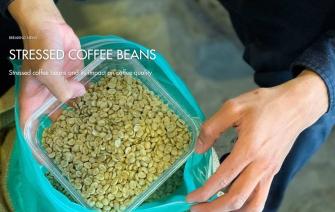
Coffee is actually the fruit of a plant. Inside that red or yellow rind, the coffee bean forms along with the natural fruity characteristics. So, in addition to familiar notes like chocolate or caramel, coffee can also have a fresh sweet and sour taste: sometimes it is a gentle citrus scent, other times it is the juiciness of cherry, blueberry or the coolness of tropical pineapple.

It is the richness that the coffee fruit offers – a “taste adventure” that takes the drinker back to the plateau where the coffee bean began its journey.
Specialty Coffee and the pride of flavor
In any Specialty coffee shop, the original flavor is always the greatest pride. When the elegant acidity goes hand in hand with other notes, the cup of coffee becomes complete, complex and attractive.

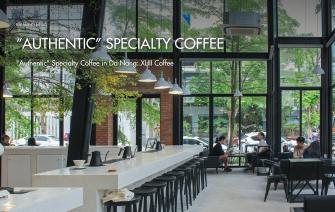
At XLIII Coffee , we choose Arabica Specialty – a coffee variety that stands out with its delicate fruity aroma. Compared to the familiar strong and bitter Robusta, the light roasted Arabica opens up the experience of a mild sour taste mixed with a little sweetness, combined with a long, pure aftertaste. It is this contrast but harmony that makes the cup of coffee both familiar and strange, both close and sophisticated.
The sour taste is kept intact by the appropriate roasting method.
A high-quality coffee bean can only reach its full potential when roasted properly. With Arabica Specialty, an Extremely Light roast is the optimal method to retain the natural acids that create fresh, fruity flavors.
During roasting, the sugars inside the beans gradually caramelize, the beans turn from green to yellow, then to a beautiful light brown. If roasted too dark, the sugars and acids are broken down, resulting in a bitter, smoky taste. Conversely, a light roast allows about 30 types of organic acids to remain intact, thereby creating a vibrant cup of coffee with many layers of flavor.

Coffee roasting is a combination of science, experience and senses. Only the best quality beans can withstand a light roast, so that when brewed, each sip brings a rare balance: a little sour, a little sweet, mixed with a gentle bitterness and a seductive aroma.
Balance – the key to a perfect cup of coffee
If we consider coffee as a fruit, we will see clearly that sourness is not “strange” or “abnormal”, but an essential part of its identity. The problem lies in how to achieve the balance between sourness, sweetness and bitterness, so that the flavor is revealed authentically but still harmoniously.

At XLIII Coffee, that is the philosophy we pursue: respecting the original flavor, revealing the subtlety from the very nature of the coffee bean. Each cup of coffee is an artistic experience – not fussy and ostentatious, but enough for the drinker to clearly feel the liveliness, clarity and purity of a fruit.
Coffee is a fruit. This truth was obscured by habit, culture and industrialization. But today, when Specialty Coffee goes global, when international standards focus on flavor and authenticity, the concept of “coffee is a fruit” resonates more clearly than ever. And perhaps, when we take the first sip, feel the sweet taste and the lingering fruity notes, we will understand: coffee has never been just a bean. It has always been a fruit – and that is the standard definition of the new era.