Plant-based milk and specialty coffee – The perfect choice for your health
In the world of specialty coffee, every component in a cup plays a specific role. If the coffee bean is the heart of the flavor, then the brewing method determines how that flavor unfolds. At XLIII Coffee, coffee is served in three familiar ways: Shot, Filter, and Milkbase. These three brewing methods aren’t meant to be compared in terms of superiority or inferiority, but rather to allow drinkers to choose the approach that best suits their sensory rhythm.

Shot and Filter are the two most direct approaches. Shot is concise, focusing on structure and aftertaste; Filter is slow, clear, and layered. Milk-based takes a different approach. Here, the coffee doesn’t stand alone but is placed in relation to the milk. Therefore, the choice of milk isn’t a secondary decision, but an integral part of the flavor profile.

For many years, cow’s milk was the familiar base for milk coffee. However, with the development of Specialty Coffee, drinkers began to pay more attention to the clarity of flavor, mouthfeel, and aftertaste. From there, plant-based milk gradually appeared in Milkbase as a parallel option, not intended to completely replace cow’s milk, but to open up a different way of experiencing it.
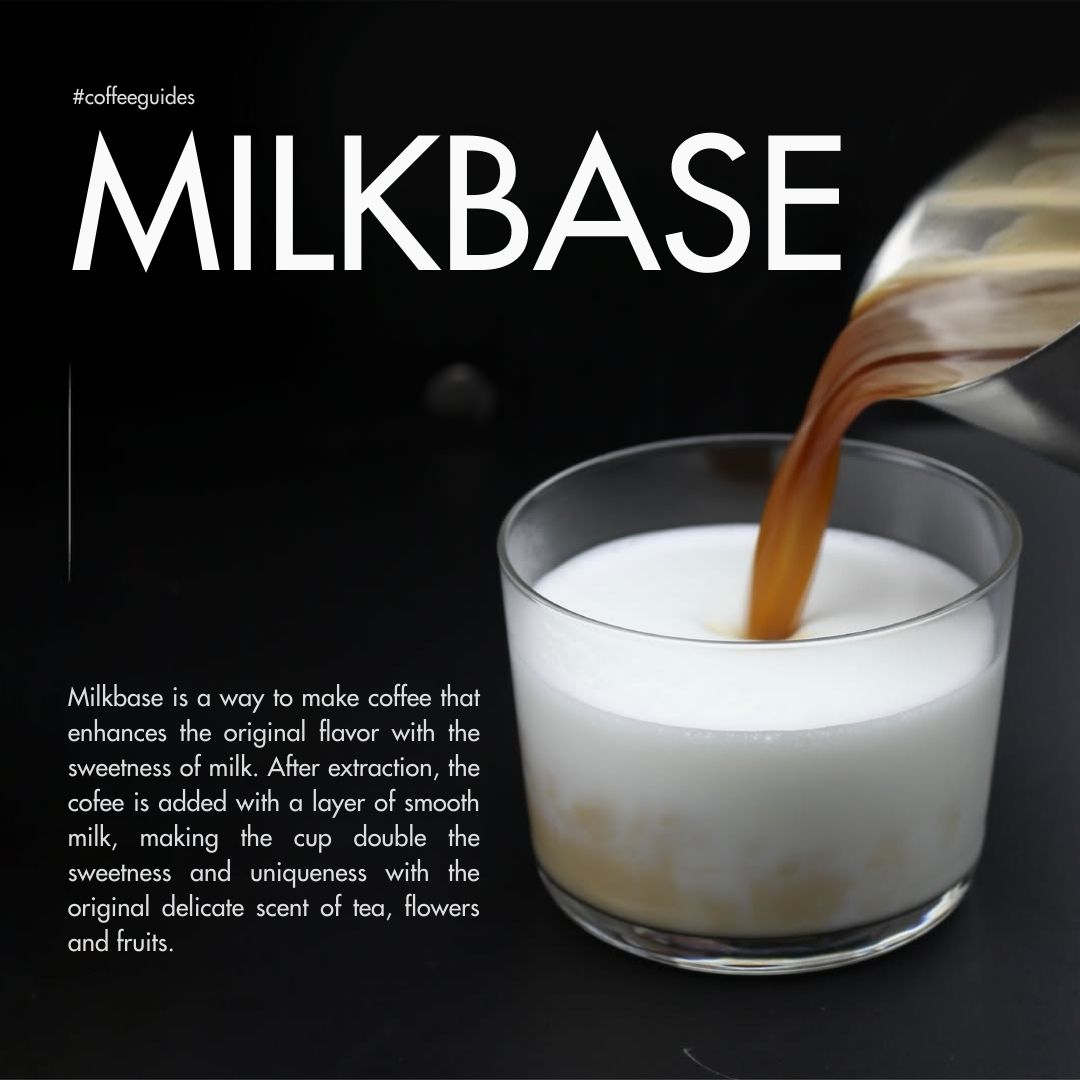
Plant-based milk , by its very nature, has a different structure than animal milk. Lactose-free and with lower saturated fat content, many plant-based milks feel lighter, drier, and more neutral when paired with espresso. This helps the coffee retain its clarity, especially with beans that have bright acidity or delicate aroma profiles. Instead of creating a “bold” and “heavy” sensation, plant-based milk provides just enough groundwork for the coffee to continue to be savored.

Plant-based milk is lactose-free, cholesterol-free, and very low in saturated fat, making it suitable for most people.
Among plant-based milks, oat milk is a popular choice for use in the milk base of specialty coffee. This isn’t because it makes the coffee easier to drink, but because oat milk achieves a rare balance between natural sweetness, frothing ability, and a relatively clean aftertaste. When mixed correctly, oat milk doesn’t overpower the espresso but softens its structure, allowing the flavors to unfold in a more rounded and seamless way.
Alongside plant-based milk, Milkbase at XLIII Coffee still uses pasteurized fresh milk from the Japanese brand Meiji. Maintaining both options isn’t meant to create a contrast, but rather to give customers more choices. While oat milk offers a light and neutral feel, pasteurized fresh milk is chosen for its stability and smooth, full-bodied texture when combined with espresso, while still maintaining a clean aftertaste if prepared correctly.
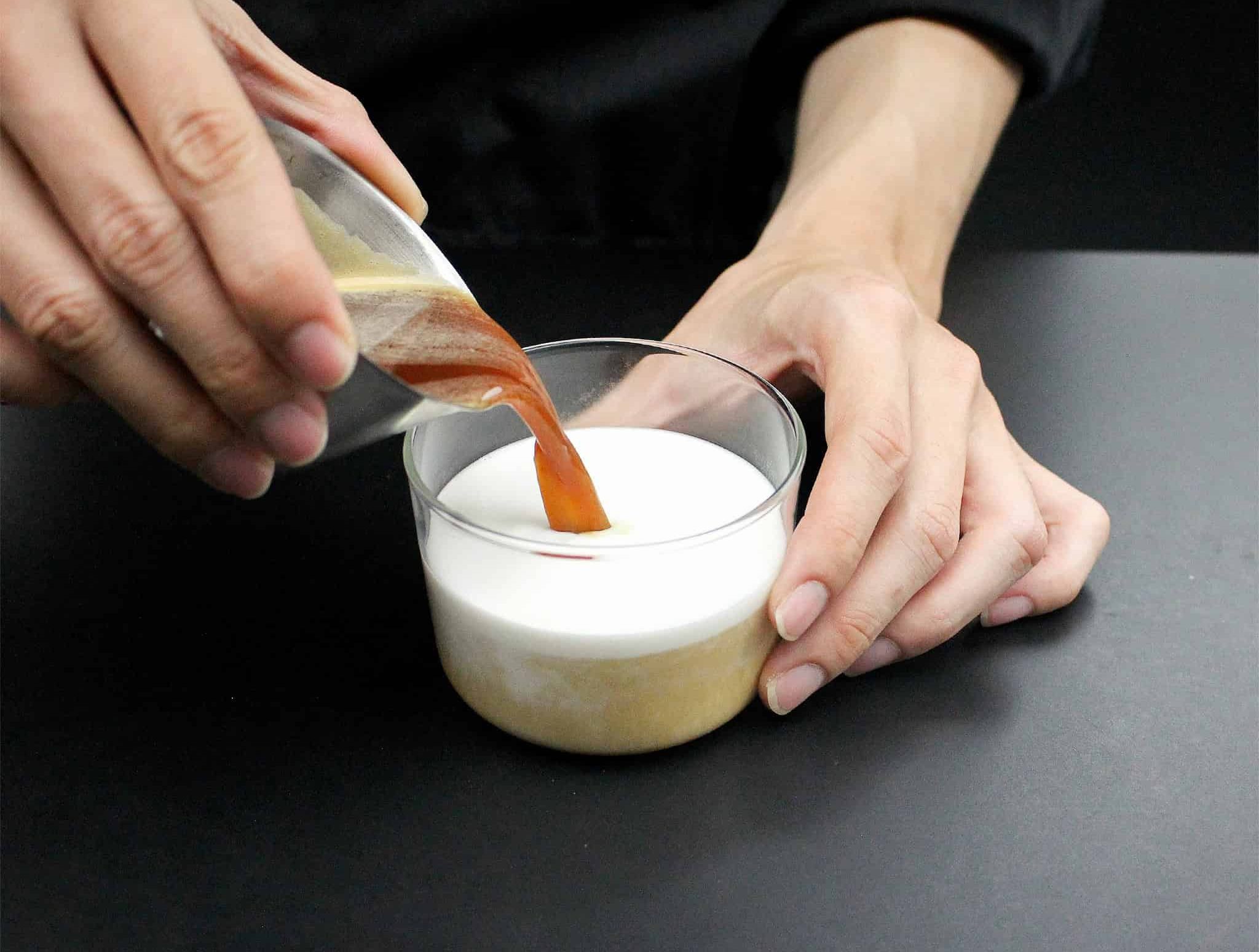
The strong growth in sales and market share suggests that oat milk will continue to hold a significant position in the specialty coffee industry in the future.
The Milkbase approach at XLIII Coffee doesn’t aim to make the coffee “easier” or “sweeter.” Milk, whether plant-based or cow’s milk, is considered the base. That base needs to be good enough to support the coffee, but not overshadow the bean’s character. When the Milkbase achieves balance, the drinker not only experiences smoothness but also follows the structure and evolution of flavors in the cup.
Placed within the overall Shot – Filter – Milkbase system, plant-based milk doesn’t alter the core of the Specialty coffee experience. It simply broadens the approach, allowing drinkers to choose a milk base that suits their personal preferences, while the core value remains in the quality of the beans and how the flavors are expressed clearly and purposefully.