“Strong Coffee” definitions from around the world
“Strong coffee” is one of the most misunderstood concepts in the world of coffee. To some, it means a very strong cup of coffee. To others, “strong” means high in caffeine. Still others assume strong coffee is dark, black, and bitter.
The truth is: there is no single definition of strong coffee, and differences in coffee-drinking cultures have created a range of parallel interpretations worldwide. This makes strong coffee a concept that is both familiar and ambiguous – especially in the context of the growing specialty coffee market.
What does science say about the “strength” of coffee?
In the specialty coffee industry, the Specialty Coffee Association (SCA) defines “strength” through TDS – Total Dissolved Solids. TDS reflects the concentration of coffee in a cup, that is, how much of the coffee grounds have been extracted into the water.
According to this understanding, a cup of coffee with a high TDS would be considered “stronger,” regardless of whether it’s light or dark roasted, or how much caffeine it contains. However, this is a technical definition and doesn’t fully reflect how drinkers perceive it in reality.
From a sensory perspective, many experts believe that the feeling of “strength” comes from a long-lasting aftertaste, a thick body, and the level of impact on the palate. When a flavor lingers for a long time, creating a distinct impression in the mouth, the brain registers it as “strong,” even if the caffeine content is not high.
Strong coffee in global coffee culture
The way people define strong coffee is heavily influenced by the history and coffee-drinking habits of each country.
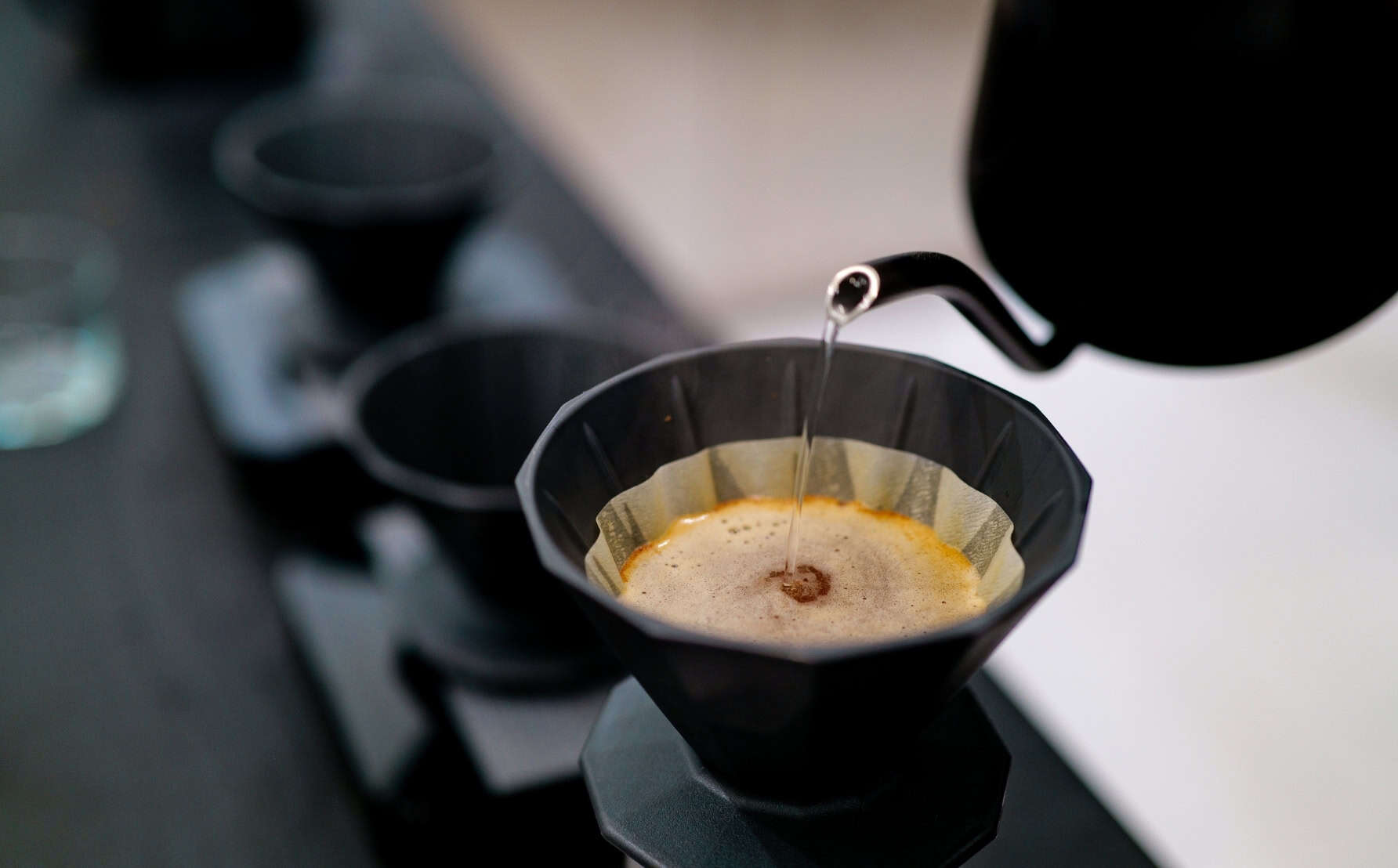
In Brazil, many people associate strong coffee with dark roasted coffee, because historically, dark roast was used to mask the flaws of lower-quality coffee beans. The notion of “the more bitter, the stronger” is therefore deeply ingrained in consumer culture.
In Italy and Greece, strong coffee is generally understood to mean coffee with a thick body, distinct bitterness, and a strong aftertaste, rather than necessarily high caffeine content. A structurally rich espresso is considered “stronger” than a long cup of coffee, even if the caffeine content is lower.
In Southeast Asia, including Indonesia and Vietnam, strong coffee is often associated with the image of black, hot, bitter coffee that gives a “powerful” sensation to the body. Here, caffeine becomes a crucial factor in assessing the strength of coffee.
This shows that strong coffee is more of a cultural concept than a scientific one.
The new trend: strong coffee no longer means “drinking to stay awake.”
As we enter the 2025-2026 period, the concept of strong coffee is gradually changing. Coffee drinkers, especially in the specialty coffee segment , no longer automatically assume that “strong” means bitter, harsh, or highly stimulating.
Today, “strong coffee” is understood in terms of its distinct flavor intensity, firm structure, yet clean and balanced taste. A light-roasted, precisely extracted cup of coffee with clear acidity and a long aftertaste can still be considered “strong,” even if it’s not bitter.

Simultaneously, awareness of health and personal lifestyles leads drinkers to clearly distinguish between “strong flavor” and “strong caffeine.” This explains why options like light-roasted espresso, balanced ristretto, or even high-quality decaf are still considered strong coffee in the experiential sense, rather than for stimulation.
Communicating the right way to talk about “strong coffee” in a coffee shop.
Because strong coffee has many meanings, communication between the barista and the customer becomes more important than ever. When a customer orders “I’ll have a strong coffee,” the right question isn’t whether or not to order it , but rather in what sense it means strong .
Strong flavor? Strong caffeine content? Strong body or aftertaste?

Many modern brands and coffee shops have shifted from simply labeling their coffee as “strong” to explaining it through flavor profiles, roast levels , brewing methods, and overall taste. This helps customers understand exactly what they’re choosing, rather than relying on a vague concept.
From a technical standpoint, SCA can provide a clear definition of strong coffee through TDS (Total Dissolved Solids). However, in real life, strong coffee is a personal perception, shaped by culture, taste memories, and the individual needs of each drinker.
Nowadays, strong coffee is no longer about overwhelming you with its intensity, but rather about creating a distinct, profound impression that suits the drinker. And perhaps it is this very multifaceted meaning that makes strong coffee such an interesting concept in the world of coffee.