Coffee industry faces tougher organic standards from USDA
Organic certification in the United States is entering a new era as the USDA has announced a comprehensive proposal to reform the National Organic Program (NOP). This is considered the most significant update since the organic standards first came into effect in 2000, with far-reaching implications across the entire agricultural supply chain, including coffee.

According to a notice posted in the Federal Register, the new draft regulation emphasizes increased oversight and transparency throughout the organic supply chain. Additional compliance requirements will apply to a wide range of participants, from agricultural cooperatives, exporters and importers to processors and packers, including coffee roasters. The change is intended to reduce fraud in organic labeling while also strengthening consumer confidence in certified products.
For the coffee industry, especially for brands pursuing Specialty Coffee, this is both a challenge and an opportunity: a challenge in terms of increased costs and certification procedures, but also an opportunity to affirm a commitment to transparency and sustainability values that are increasingly valued in the international market.
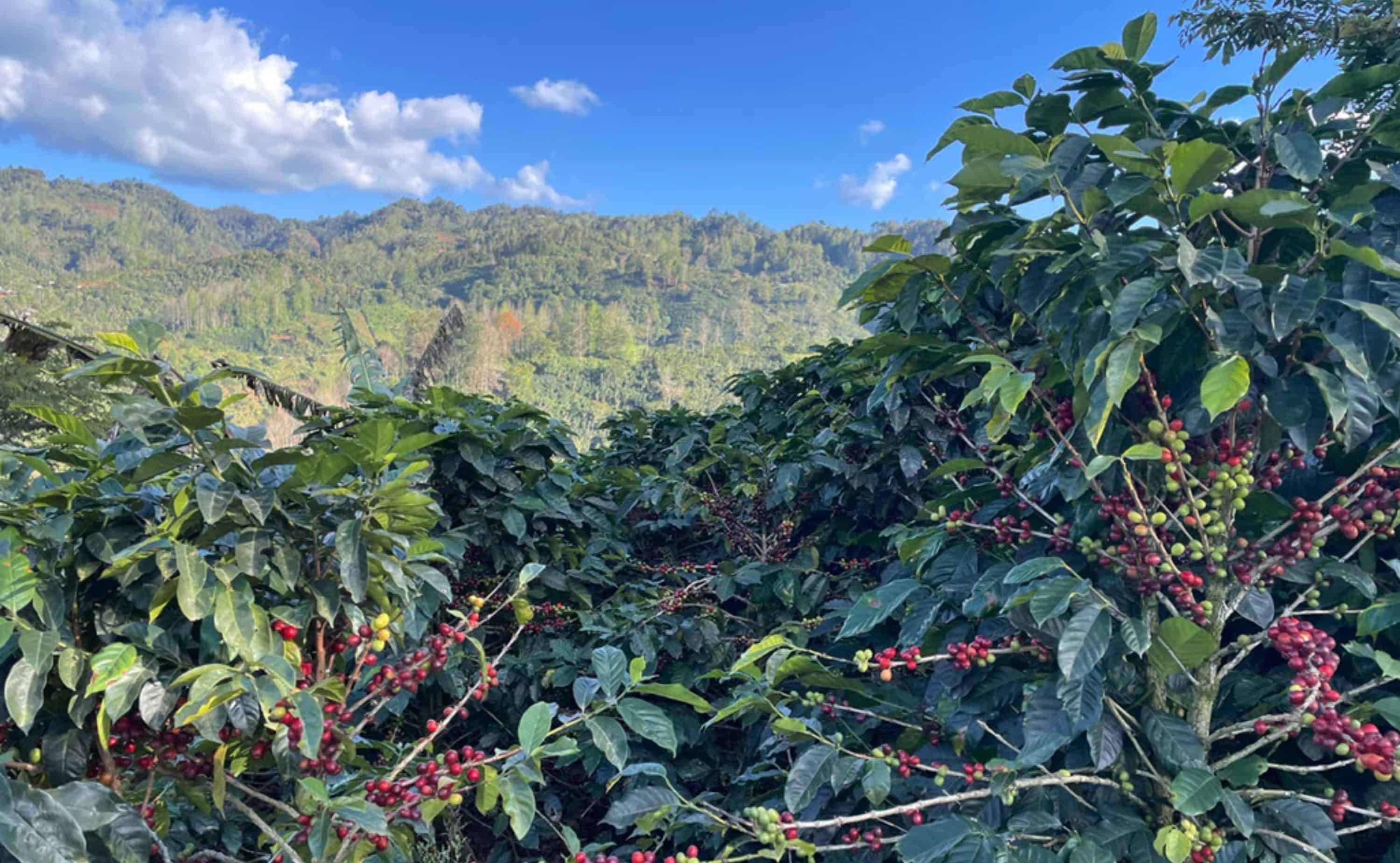
The Agricultural Marketing Service (AMS) – the USDA agency responsible for overseeing the NOP, stated that the rapid growth of the organic industry over the past 20 years has exposed major gaps in oversight. AMS noted in its report: “Organic supply chains have become increasingly complex, reducing transparency and complicating traceability. These are essential elements for maintaining trust in the organic label.” The agency also warned that lack of oversight could lead to fraud, undermining the integrity of organic products in the marketplace.
Against this backdrop, the USDA stressed that tighter regulations are necessary to protect the sustainable growth of the sector. In the United States alone, organic sales have grown from $3.4 billion in 1997 to more than $55 billion in 2019. Coffee, as one of the main imported crops certified under the “grower group” model, represents a significant share of the organic market. The USDA-certified organic coffee market in the U.S. was estimated at around $5.7 to $6.8 billion last year and continues to expand.

However, a major challenge lies in the lack of research regarding costs and benefits for smallholder farmers and roasters. In practice, a substantial amount of coffee is produced using organic methods but remains uncertified, often being sold as conventional coffee without the associated premium.
Experts predict that if the proposed rules are enacted, the coffee industry will face stricter requirements for origin control, traceability, and compliance. This represents both a challenge and an opportunity to strengthen transparency and reinforce consumer trust in the organic label.