Harsh Climate and the Future of the Mekong River Coffee Industry
From 2023 to 2025, the Mekong River basin and the Central Highlands of Vietnam are significantly impacted by climate change, exhibiting prolonged droughts, rising temperatures, and increasingly erratic rainfall patterns. These shifts are not only reducing agricultural productivity particularly in the coffee sector, which is a livelihood source for millions but are also posing serious challenges to the hydropower industry and sustainable development across the region.
Severe Climate Conditions Devastate the Coffee Harvests
The Central Highlands, especially Buon Ma Thuot the largest coffee hub in Vietnam are experiencing increasingly severe impacts of climate change. Extended droughts, temperature rises, and irregular rainfall are pushing farmers into difficult circumstances, threatening the yields and stability of coffee harvests.
According to data from the Dak Lak Department of Agriculture and the National Center for Hydro-Meteorological Forecasting, the average temperature during the 2023–2025 period has risen by 0.7°C to 1.2°C compared to the 1970–2000 baseline, with dry season temperatures climbing up to 2°C. This has caused surface and groundwater resources in the Central Highlands to reach alarming lows. Farmers like Mr. Bel Eban in Krong village have had to drill deeper wells, yet still face severe water shortages.Khí hậu khắc nghiệt vùi dập những mùa vàng
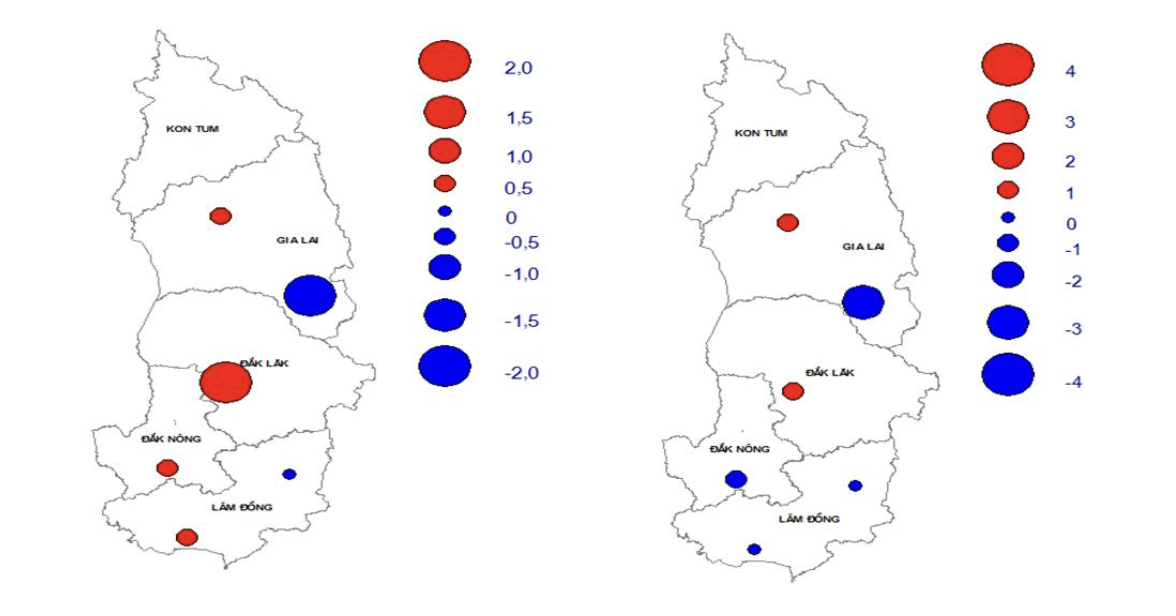
Increasing trends in the number of hot days with maximum temperatures exceeding 35°C and extremely hot days above 37°C are documented per decade.
Coffee is an extremely climate-sensitive crop and suffers severe damage during prolonged droughts, causing yellowing leaves, undersized cherries, and crop failures. Farmers report increasingly sparse rains sometimes just brief showers insufficient for irrigationle ading to weakened trees and shriveled cherries. This not only decreases yields but also diminishes coffee bean quality, threatening the livelihoods of thousands of families in the Central Highlands.
Degradation of Water Sources, Soil Profiles, and Forest Cover
Prolonged drought and climate change are not only depleting water resources but also contributing to soil degradation and loss of forest cover the green mantle that protects the highland coffee ecosystems. Currently, approximately 60% of coffee cultivation occurs under direct sunlight rather than shaded environments, exacerbating soil desiccation and erosion, and diminishing soil fertility.
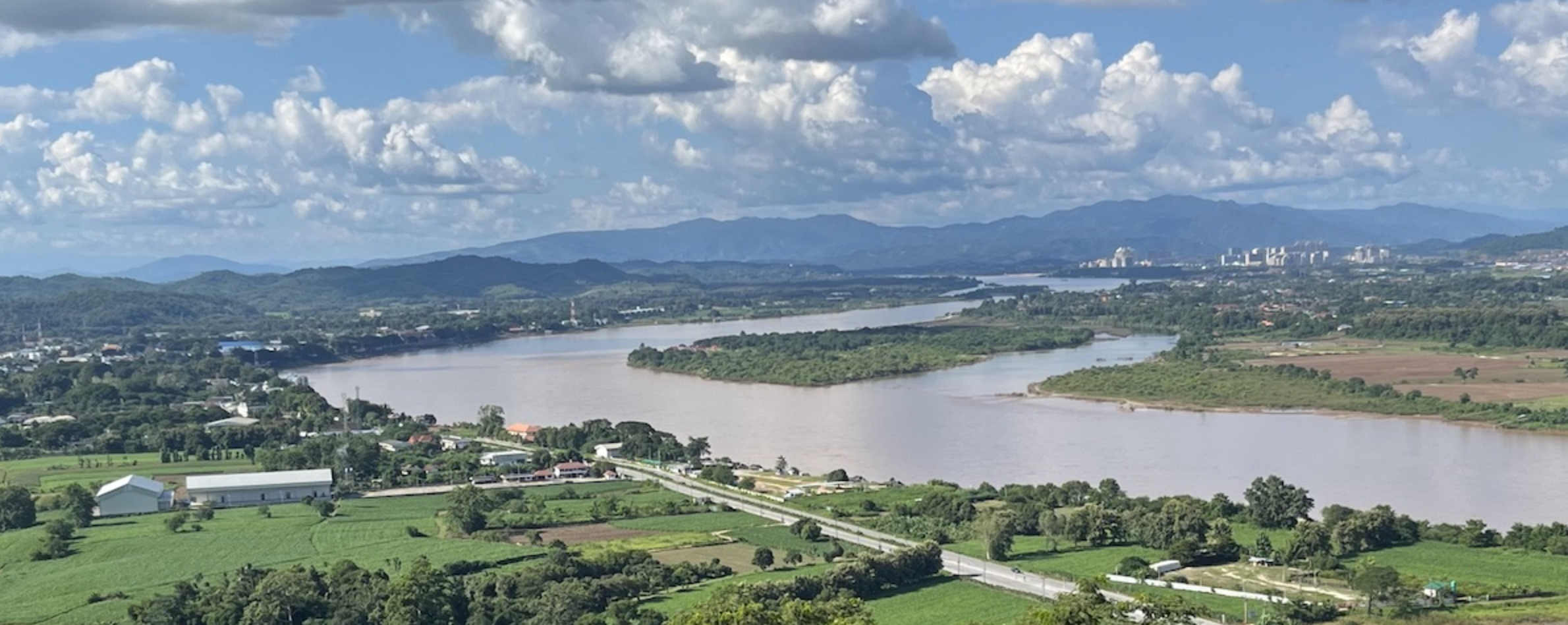
Warmer and drier rainy seasons in the upper Mekong River basin are affecting the water available for hydropower generation along the major waterway, according to a new analysis.
Recent analyses indicate that warmer and drier rainy seasons in the upper Mekong basin negatively affect available water for hydropower generation along the main waterway. Deforestation reduces the soil’s water retention capacity, disrupting natural hydrological cycles and increasing greenhouse gas emissions. The extensive use of chemical fertilizers and pesticides to salvage yields further worsens soil degradation and accelerates greenhouse gas output, perpetuating a feedback loop of climate change.
United Nations and environmental organizations warn that land degradation significantly accelerates climate change and intensifies natural disasters, particularly in the ecologically diverse and complex Central Highlands and Mekong region. Changes in vegetation cover directly affect surface temperatures through evapotranspiration processes which regulate local climate and surface heat fluctuations thereby prolonging and worsening the challenges faced by farmers.
Hydropower Industry and the Mekong River Facing New Challenges
Beyond agriculture, the hydropower sector, a vital energy source for many Southeast Asian countries, faces significant challenges from climate change. A 2023 study by the International Energy Agency (IEA) warns that hydropower capacity in South and Southeast Asia could decline by approximately 4.6% by 2059, due to rising temperatures, extreme rainfall events, glacial melt, and increasing weather extremities.
Most hydropower dams along the Mekong River were designed based on historical average climate data, resulting in reduced operational efficiency amid rapid and extreme climate fluctuations. Expert Bassist urges energy planners to revise climate scenarios and prioritize renewable energy sources such as wind and solar to ensure future energy production stability.

Xiaowan Dam is the second largest reservoir in the Mekong River basin, spanning the mainstream, locally known as Lancang, in China.
Data from the Mekong River Commission reveals that the Tonle Sap River’s reverse flow a critical hydrological phenomenon supporting water supply for Cambodia’s floodplains has delayed, starting in August instead of July in 2023, and only reaching long-term averages during September and October. In 2022, the reverse flow was even weaker, registering the lowest levels recorded in 30 years. These changes compromise water storage capacity and severely impact the livelihoods of millions dependent on the Mekong River and Tonle Sap Lake.

Tonlé Sap Lake is located in the northwest of the lower Mekong Delta, formed by the collision and collapse of the Indian Plate and the Eurasian Plate.
From the upper Mekong to the headwaters of the Mekong Delta, floodwater levels are rising and expected to peak by the end of August 2025, with water levels in the upper Mekong Delta surpassing those of the same period in 2024 by 50 to 80 centimeters. According to the Southern Institute of Water Resources Planning (SIWRP), two strong typhoons (numbers 2 and 3) appeared over the South China Sea in July 2025, triggering heavy rains throughout the lower Mekong basin, particularly typhoon number 3. Rainfall accumulation ranged between 100 to 500 millimeters, with some regions in northern Laos, northeastern Thailand, northeastern Cambodia, and Vietnam’s Central Highlands receiving between 300 to 500 millimeters.
Consequently, this rainfall raised Mekong River flood levels significantly at the end of July. Data from the Mekong River Commission (MRC) indicate that water levels at the Kratie gauge station in Cambodia in July 2025 were notably higher than long-term averages and levels recorded in previous high-flood years (2015, 2019, and 2024), second only to the record floods of 2000.
These dynamics suggest that although hydropower and climate change pose significant challenges, the rainy season and storm events remain critical in maintaining water balance, mitigating drought risks, and controlling salinity intrusion crucial for sustainable management of the Mekong Delta.
Specialty Coffee and Transparent Value Chains
Amid environmental and market challenges, the coffee industry in the Central Highlands and adjacent regions is exploring new approaches to enhance product value and improve climate change resilience aligned with global coffee sector trends. One prominent approach involves promoting specialty coffee production coupled with transparent value chains.
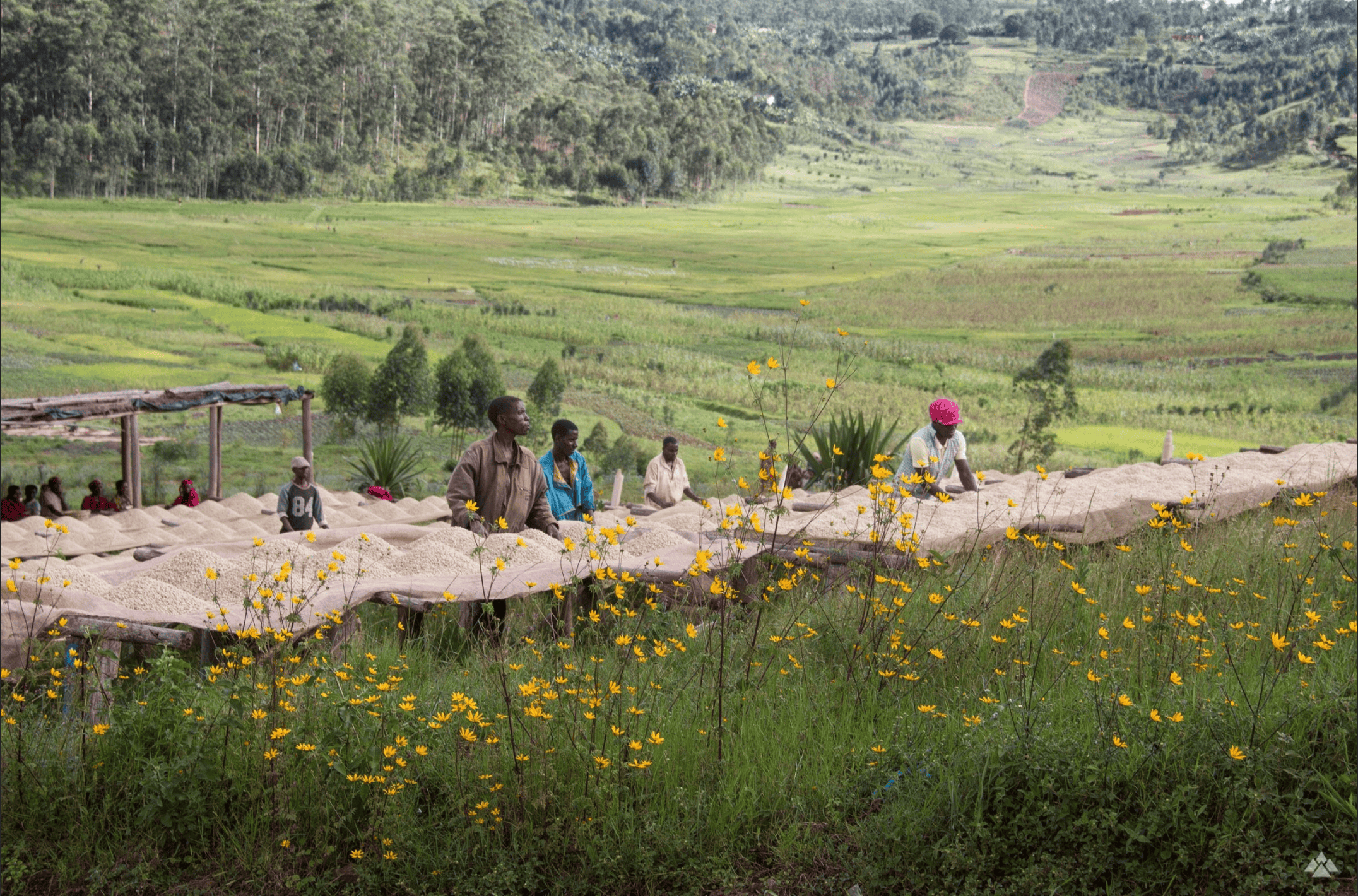
Specialty coffee from clean farms, produced through transparent chains, increasing value for farmers and protecting the environment.
Specialty coffee derives from pristine farms, produced via transparent supply chains that elevate product value and support environmental protection and farmer livelihoods. Beyond bean quality, specialty coffee demands traceable, transparent processes from harvest through processing, trading, and distribution. Blockchain technology adoption by cooperatives and coffee enterprises in the Central Highlands and coffee in Yunnan (China) has built consumer trust in European and North American markets, which increasingly prioritize certified sustainable and Fair Trade products.
Transparency in supply chains not only increases product value but also encourages farmers to implement environmentally friendlier farming techniques such as shade-grown coffee and reducing pesticide and chemical fertilizer use, thereby enhancing soil and water health.
Transparency, Adaptation, and Cooperative Development
In recent years, coffee growers in the Central Highlands and Mekong basin countries have intensified focus on cooperative models and value chain networks that facilitate knowledge sharing, resource pooling, and community resilience against climate change. Supported by government and international agencies, these initiatives emphasize technical training, market access, and establishment of sustainable ecosystems.
Despite ongoing challenges, these models have raised climate change awareness and fostered better land, water, and forest management practices. Alongside renewable energy development replacing conventional hydropower, maintaining cooperative transparency in coffee value chains offers promising prospects for highland communities dependent on the region’s “brown gold.”
The story of the coffee sector and environment in the Mekong region reflects not just statistics but also the resilience, innovation, and hope of farmers confronting daily climate change adversities. Through adaptation and sustainable growth efforts, Vietnam’s coffee industry and neighboring countries aim to sustain their positions on the global coffee map in the near future.