The journey towards a sustainable coffee industry
In the modern world, coffee is not only a popular beverage but also a symbol of global culture, economy and livelihood. However, in the face of climate change, unstable prices and increasing environmental pressure, the coffee industry is looking for a new direction for long-term development. A sustainable coffee industry has become a vital goal, not only to protect farmers’ livelihoods but also to maintain the economic and cultural value of coffee in the future.
The movements of the coffee industry today
“Sustainability” is a key concept in all areas of development today, requiring a balance between people, planet and profit. In the coffee industry, every decision directly affects the livelihoods of millions of farmers, as well as the quality of the final product.
The coffee industry is a complex value chain, stretching from farm to consumer. Sustainability is not just about maintaining profits, but also about ensuring fairness, ecological stability and long-term viability.
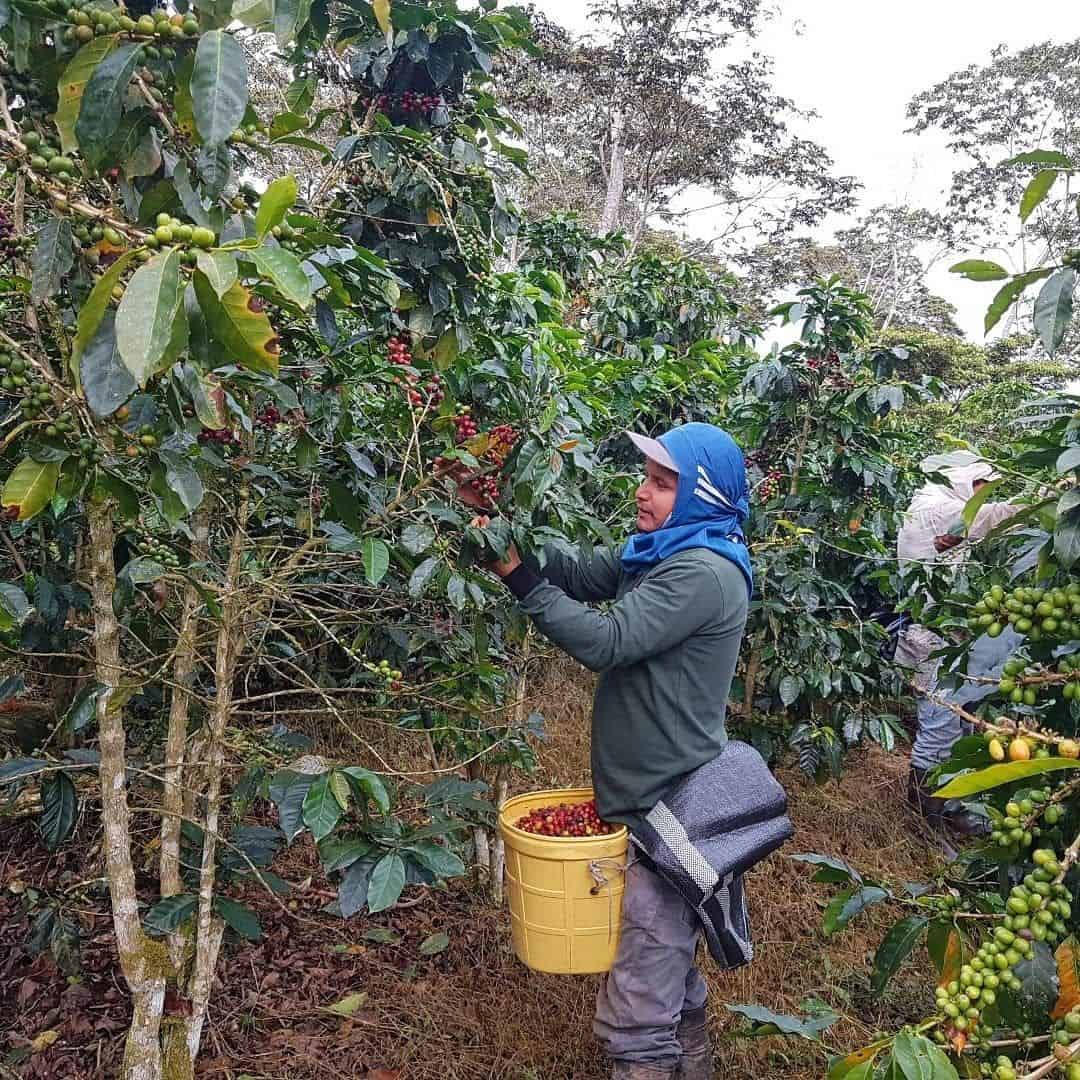
As early as the 1960s, sustainability was included in the International Coffee Agreement to limit surpluses and stabilize prices. This shows that sustainability is a vital factor, not only in economics but also in social responsibility.
Sustainability efforts are not only about economics, but also about a commitment to future generations. Protecting the environment and ensuring income and livelihoods for farmers are the way for the coffee industry to survive in the global market.
Economic fluctuations and social challenges
Despite the growth of the coffee industry, many producing countries still face volatile prices and low profits. In 2019-2020, reduced production in Brazil caused coffee prices to fall to $0.93/pound – the lowest level since 2006, directly affecting farmers.
Automation has reduced costs in Brazil but increased unemployment. In Africa and Asia, the concentration of resources on coffee has limited investment in health and education. Falling prices have forced farmers to sell their land, switch to shorter crops or migrate.

Price volatility not only affects farmers but also destabilizes the entire supply chain. End consumers are also affected by price, quality and origin of products. Coffee crises are a major cause of poverty and migration, threatening the sustainability of the industry. Balancing the interests of growers, businesses and consumers becomes an urgent issue.
The current state of the global coffee industry
Coffee is produced in more than 70 countries, providing livelihoods for around 125 million people. However, the real value is concentrated in the middlemen and retail markets, leaving farmers with a small fraction of the total multi-billion dollar value.
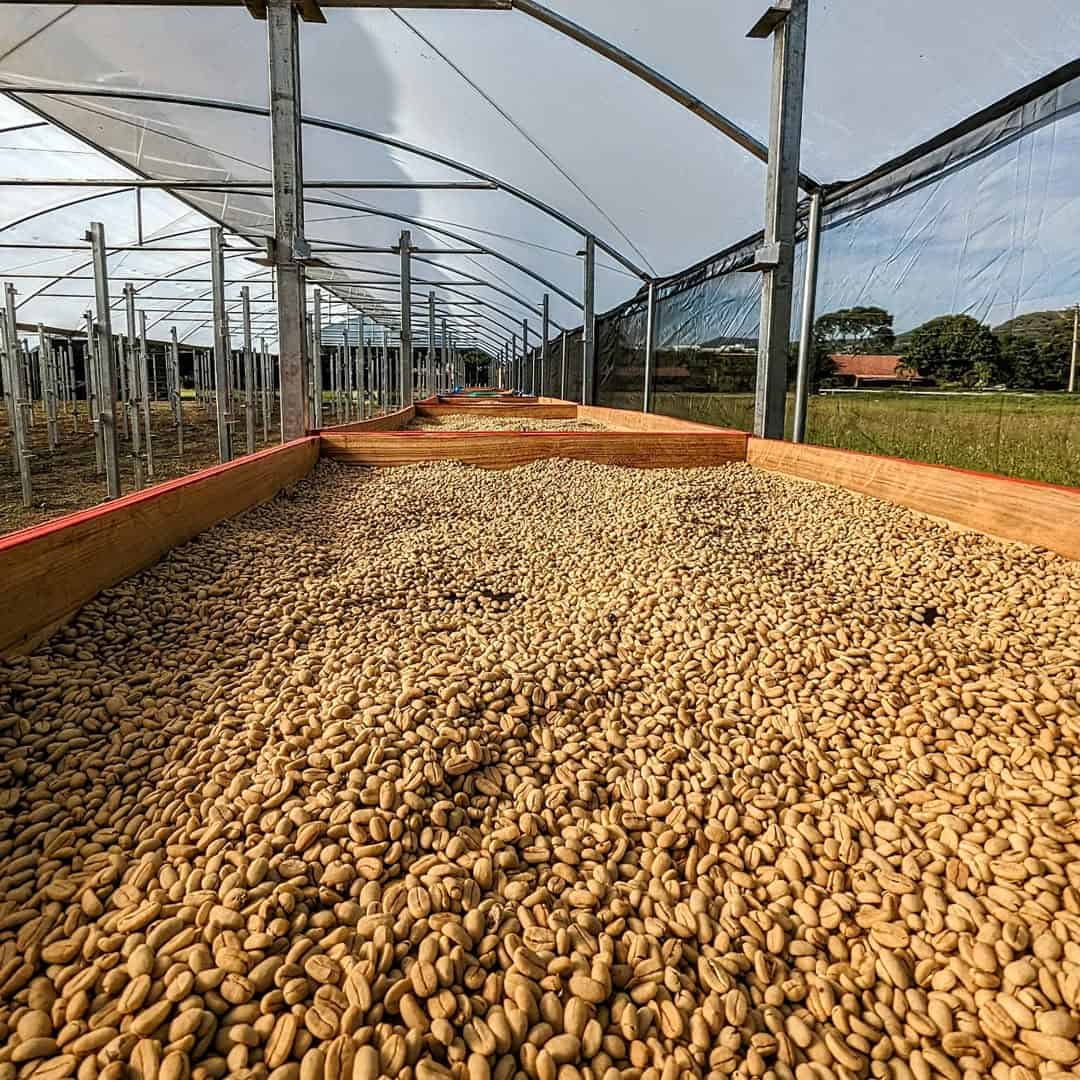
A World Bank report shows that coffee exporting countries find it difficult to escape poverty despite GDP growth of 5-6%/year. This disparity leads to low farmer income, reduced product quality and increased social risks.
The conflict between low prices for consumers and low incomes for growers is a major challenge. When profits at the source are squeezed, efforts to improve coffee quality are also reduced. For the coffee industry to develop sustainably, a comprehensive approach is needed, integrating the economy, society and the environment, while ensuring a fair supply chain.
Economic and environmental sustainability
According to Daniele Giovannucci, farmers need sufficient profits to sustain their livelihoods and reinvest. A strong economic foundation helps farming communities grow and diversify. Economic sustainability is linked to access to education, health care, housing and food. Fluctuations in coffee prices directly affect the quality of life and opportunities for community development.

Coffee is a resource-intensive crop. A 125ml cup of coffee requires 140 litres of water, while processing and expanding coffee growing areas causes pollution and deforestation. Climate change reduces productivity, especially for Specialty coffees that require high altitudes and cooler climates. Biodiversity declines as monoculture farms increase pesticide use. Growing coffee under the canopy of forests is both ecologically sound and productive, but requires appropriate financial and policy support.
The role of consumers and a sustainable future
Consumers play a key role in promoting sustainability. Buying coffee from transparent, certified sources encourages responsible supply chains. Conversely, single-use plastic cups and capsules that are difficult to recycle increase waste and have a negative impact on the environment.

At XLIII Coffee , sustainability is evident in the smallest details: no plastic is used in production and consumption , strict control of the origin of each bean, and the choice of a super-light roasting method to fully respect the natural characteristics of the coffee. This is not only a production philosophy, but also an invitation for the connoisseur to become part of that sustainable journey – where each shot of coffee not only has a delicate flavor, but also reflects the environmental awareness and human values behind the coffee bean.
As demand for sustainable products increases, businesses are being forced to improve their farming, processing, and distribution practices. It is the responsible choices consumers make today that will shape a greener and fairer future for the entire coffee industry tomorrow.