Dissecting SAA’S water quality standard
Water is a simple compound but plays a crucial role in the Specialty coffee experience. With its unique molecular structure and the ability to dissolve minerals, water profoundly affects the extraction process and determines the flavor balance in every cup of coffee. Therefore, strict control over water quality for coffee brewing is essential for baristas and coffee producers to create standardized, consistent, and optimal-quality products.
The Importance of Water in Coffee Brewing
Water accounts for 94-98% of the weight of a cup of coffee, so its quality greatly influences the flavor and the overall sensory experience. If the water has off-flavors, unusual tastes, or an inappropriate mineral content, it can spoil the coffee’s profile, diminish its distinctive characteristics, and reduce customer satisfaction. Additionally, the mineral and chemical constituents in water impact the durability and performance of brewing equipment, increasing maintenance costs due to scaling or corrosion.
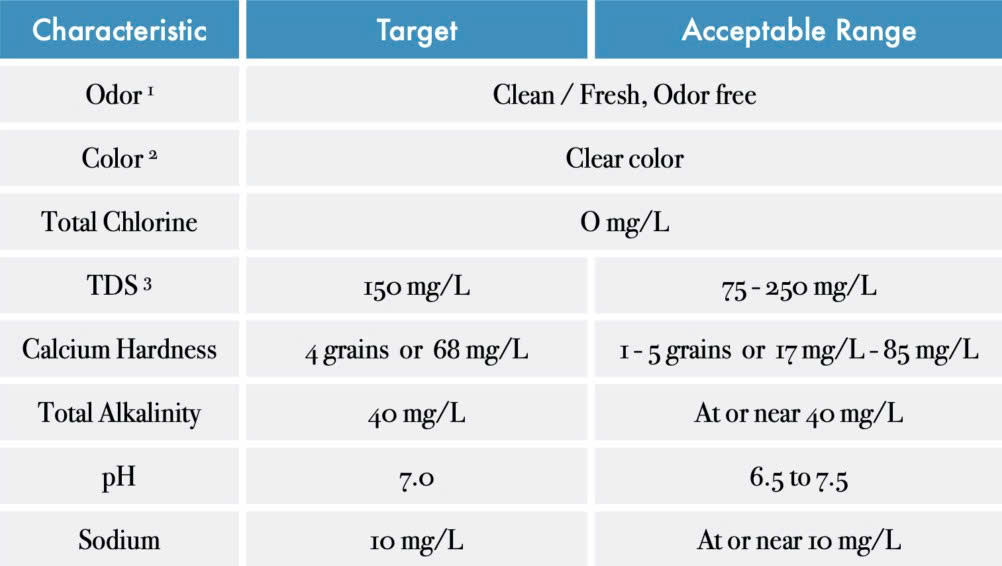
Key Composition Considerations for Coffee Brewing Water
The quality of coffee brewing water is the foundation for a perfect cup of Specialty coffee. To meet SCAA standards, you need to note the following points:
Odor and Color: Water must be crystal clear and free from unpleasant smells such as chlorine, sulfate, phenol, or microbial contamination. Clarity and color are easily assessed visually, and any turbidity or discoloration should be strictly avoided.
Complete Removal of Chlorine: Chlorine imparts a “swimming pool” odor and diminishes the natural aroma of coffee. Popular treatment methods include activated carbon filtration and reverse osmosis (RO).
Total Dissolved Solids (TDS): Maintaining TDS between 75 and 250 mg/L, with an optimal target around 150 mg/L, helps balance mineral content. This range prevents water from being too soft or too hard, both of which can negatively affect coffee flavor.
Calcium and Magnesium Hardness: These minerals are vital for extraction and equipment protection. Ideal levels are between 51-68 mg/L (approximately 3-4 grains per gallon).
Total Alkalinity and pH: Keeping alkalinity around 40 mg/L and pH between 6.5 and 7.5 helps avoid unwanted bitterness or flatness in coffee taste.
Sodium: Sodium should be limited to below 30 mg/L, preferably around 10 mg/L, to avoid altering the sensory balance of sweetness and acidity during tasting.
Advanced Water Treatment Technologies
In modern Specialty coffee production, applying advanced water treatment technologies is indispensable to meet the stringent SCAA water quality standards. Activated carbon filtration is widely used to eliminate chlorine, unpleasant odors, and organic compounds, refining water purity while retaining essential minerals for brewing.
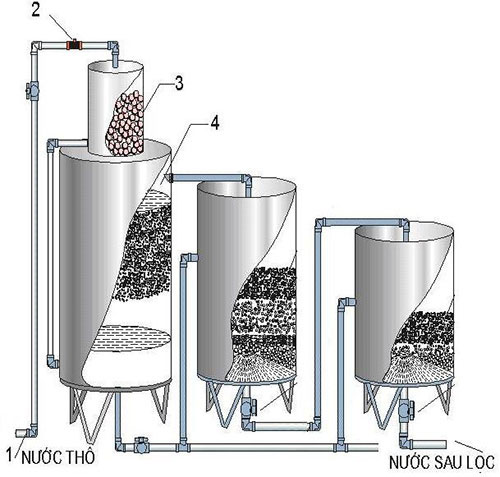
Activated carbon water filtration system
Reverse osmosis (RO) technology is employed to remove most undesirable ions, heavy metals, and dissolved contaminants. This allows precise control of TDS levels and mineral composition. Subsequently, minerals such as calcium, magnesium, or bicarbonates can be reintroduced to achieve the desired hardness and pH balance tailored to specific coffee types and brewing methods.

RO Reverse Osmosis Principle
Additionally, automated measurement systems monitoring pH, TDS, and hardness are extensively implemented. These ensure continuous and stable water quality management, minimizing source water variability and ensuring consistency across brewing batches.
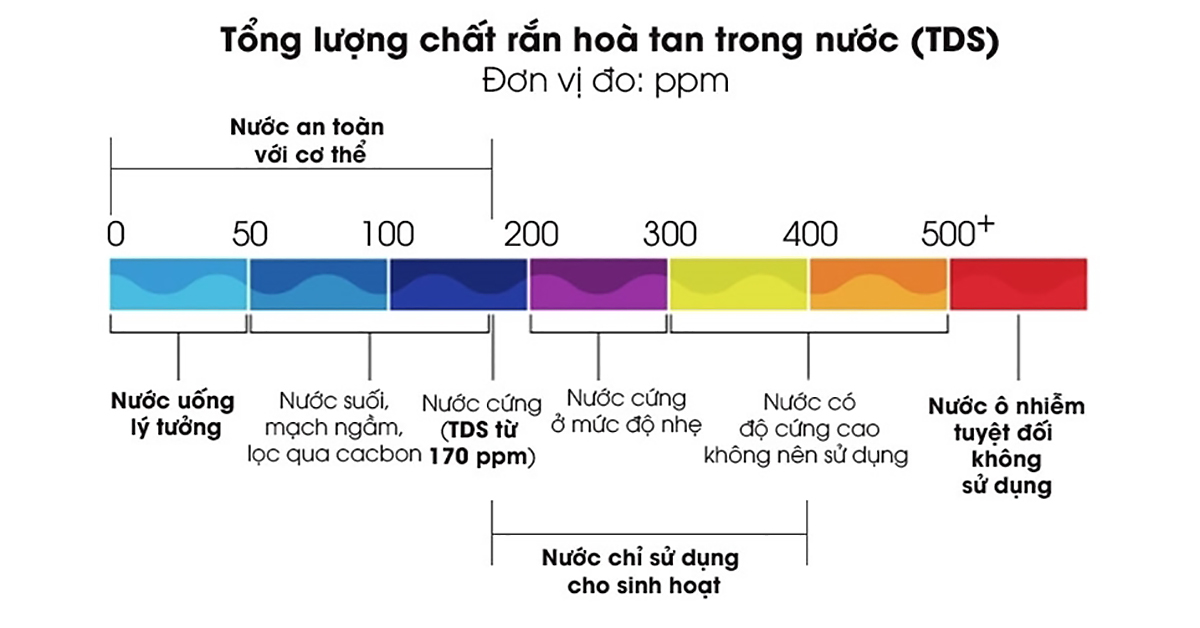
Components That Determine TDS
Impact of Water Quality on Coffee Flavor and Equipment
Water quality directly affects both the coffee’s flavor and the performance of brewing equipment. Chlorine and organic compounds in water generate off-flavors and diminish the distinctive aroma of Specialty coffee. Excessively hard water, high in calcium and magnesium ions, can result in muted or bitter coffee, whereas overly soft or mineral-deficient water produces sour or thin cups. Elevated sodium levels may also distort the perception of sweetness and acidity.

Minerals in Coffee Water
From an equipment perspective, hard water causes rapid scale buildup, reducing operational efficiency and increasing maintenance costs. Unstable mineral content and impurities can cause corrosion and wear, affecting the longevity and reliability of machines. Therefore, water quality control protects both the coffee’s taste integrity and prolongs the lifespan of brewing equipment, while reducing operational expenses.
High-quality water is fundamental to producing flavorful Specialty coffee and safeguarding brewing equipment. Applying SCAA standards along with modern treatment technologies helps maintain consistent, standard flavor profiles across batches. Mastering water quality control is key to sustainable success for baristas and professional coffee establishments.