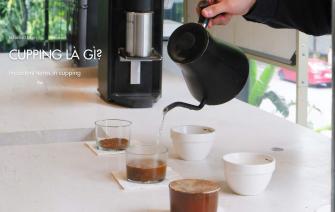
Coffee trends in 2026 will no longer revolve around “drinking quickly” or “looking good for photos.” After the boom in cafes catering to social media photos, drinkers are clearly shifting towards a need to stay longer, focus more, and drink more consciously. Coffee is gradually becoming a part of daily life, linked to work, thinking, and mental well-being.
From display space to purposeful space
While the period from 2020-2022 saw the rise of visually stunning cafes, by 2026, this model is gradually revealing its limitations. Coffee drinkers are starting to tire of spaces that are too noisy, too detailed, and lack comfort when sitting for extended periods.
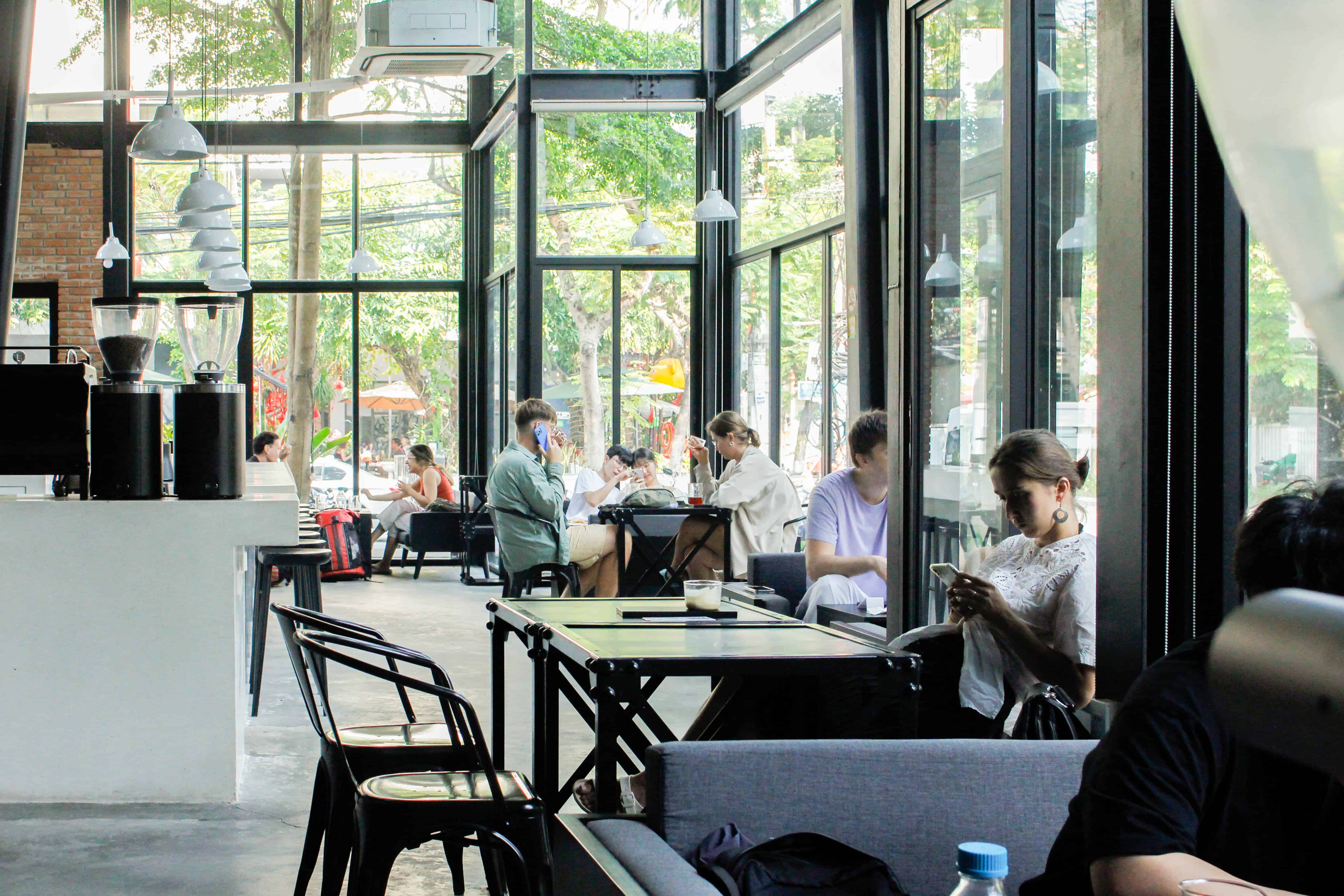
The trend in cafe design in 2026 is therefore shifting towards controlled minimalism. Open spaces remain popular, but natural light is restrained, no longer ostentatious with full-height glass. Neutral colors, rustic materials, and a clean layout help reduce visual strain , creating a pleasant atmosphere for those working, reading, or engaging in lengthy conversations.
Greenery is no longer just a symbolic decorative element, but is integrated as part of the space’s rhythm. Cafe 2026 doesn’t try to “make an impression from the first second,” but aims for a feeling of comfort that increases the longer you sit there.
Drinker behavior changes: they drink slowly, choose their drinks carefully, and stay longer.
A major shift in coffee trends for 2026 lies in consumer behavior. Customers no longer come to cafes just to quickly grab a cup of coffee and leave. They spend more time staying, observing, working, or simply sitting quietly with themselves.
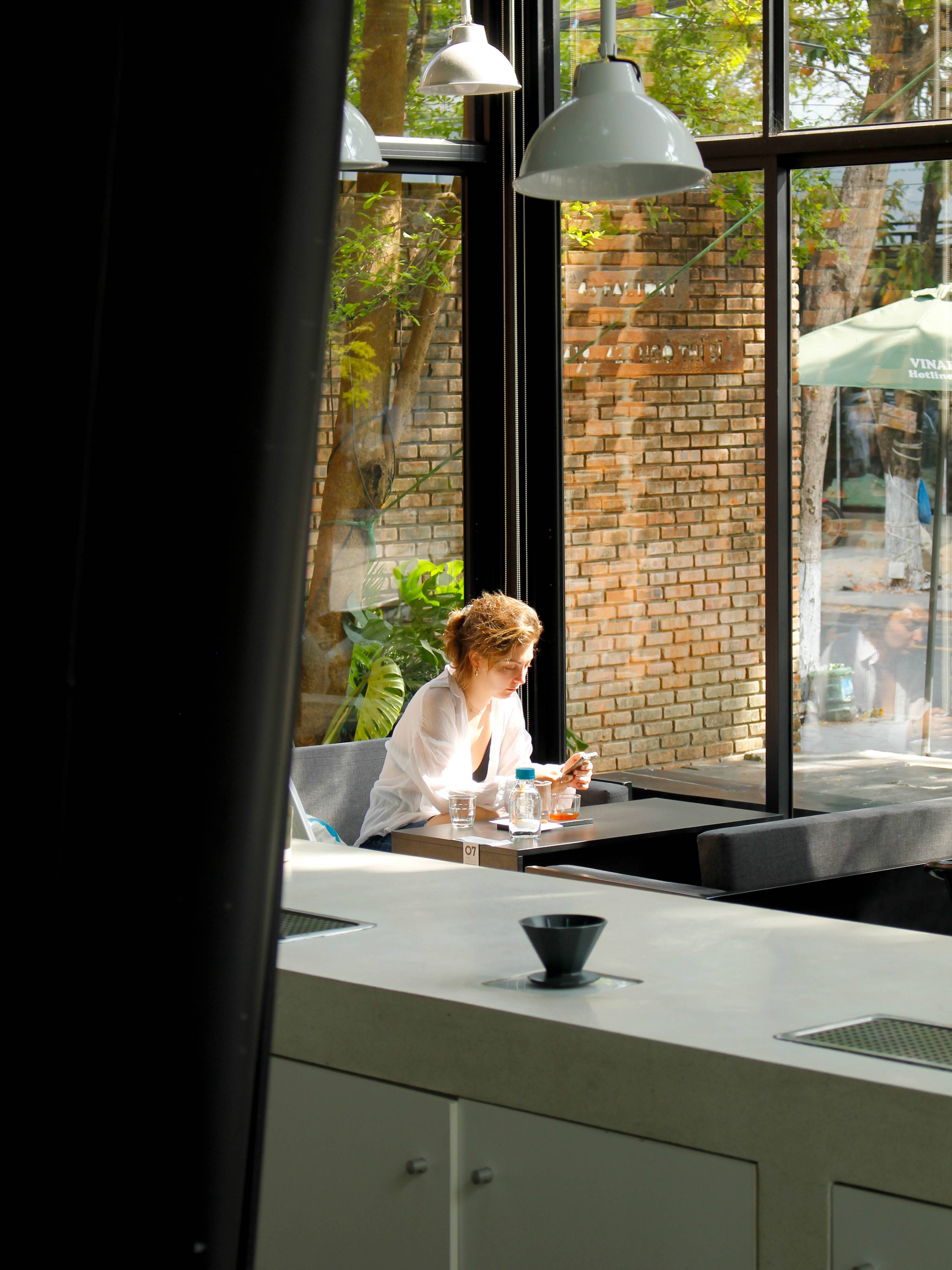 This led to a change in how the cafe operates. The menu became more streamlined, focusing on quality and the ability to enjoy drinks for a longer time, rather than too many “quickie” items. Drinks with a clean structure, a clean aftertaste, and that don’t cause fatigue – such as balanced espresso, refined milk base, decaf, or light-roasted filter coffee – are increasingly popular.
Consumers are also becoming more proactive in asking about the coffee beans, roasting methods, caffeine levels, and their aftertaste. Coffee is no longer something consumed unconsciously, but has become a part of a controlled lifestyle, linked to mental health and personal rhythms.
Simultaneously, coffee drinkers began consuming coffee based on their body’s needs rather than habit. They paid attention to the timing of consumption, the level of alertness required, and the effects after drinking, thereby proactively choosing the type of coffee that better suited their lifestyle and personal health.
Coffee shops serve as an “anchor point” in urban life.
In a landscape where flexible working arrangements, freelance work, and hybrid lifestyles are becoming common, coffee shops in 2026 will serve as an intermediary space: neither entirely an office nor purely a place for entertainment. Customers will visit these shops to maintain their daily routines, not just to change the atmosphere.

Therefore, factors such as moderate sound levels, reasonable seating spacing, relaxed service, and the likelihood of long stays become important criteria. Coffee shops are no longer judged by how “crowded” or “popular,” but by whether customers return frequently.
A typical example in Da Nang: XLIII Coffee
In Da Nang, XLIII Coffee is a prime example of how a coffee shop can keep up with the 2026 trends. The space here is designed to be open yet restrained, prioritizing just the right amount of natural light, rustic materials, and a layout that allows customers to sit for extended periods without getting tired.
The highlight isn’t the ostentatious design, but rather how the space and drinks support the drinker’s behavior. Customers at XLIII Coffee typically spend time on deep work, slow conversations, or focused coffee enjoyment. The menu is structured to be balanced, easy to drink, and suitable for extended enjoyment rather than making an immediate impression.
The workers here are not just baristas, but also play a leading role in the experience – readily discussing beans, roasting methods, and the overall drinking experience. This clearly reflects the 2026 trend: coffee shops don’t just sell products, they build lasting relationships with their customers.
In conclusion: The coffee trend for 2026 isn’t about explosive concepts or dazzling designs. Instead, the core value lies in relevance: relevance to the pace of life, to mental health, and to the modern drinker’s need to linger longer.
Successful coffee shops in this period are those that create a sense of stability, are easy to return to, and have enough depth to foster a sense of belonging. In a dynamic city like Da Nang, coffee spaces following this approach are gradually becoming sustainable anchors, rather than just a short-lived trend.