Does decaf coffee really contain no caffeine?
Many people are captivated by the alluring flavor of pure coffee but are sensitive to the caffeine content. Decaf coffee , or decaffeinated coffee, was created as a solution to help those with caffeine allergies enjoy the taste of coffee. But are they truly caffeine-free?
How did decaf coffee come into existence?
Tracing back through the history of coffee, evidence suggests experiments with decaf coffee began in the early 1900s. At that time, German coffee merchants noticed a significant reduction in caffeine content when their coffee beans were soaked in seawater. However, it wasn’t until Ludwig Roselius successfully developed and commercially launched a decaffeination process that this special type of coffee gradually became popular worldwide. He experimented and created decaf coffee by steaming coffee beans with various acids and using solvents to remove caffeine. The resulting product had extremely low caffeine content but retained its rich, distinctive flavors.
According to European Union (EU) standards, coffee is only called decaf when the remaining caffeine content is below 0.3%. In the specialty coffee industry , most modern decaf varieties achieve a decaffeination rate of 97% to 99%. Today, decaf processing has been improved with various methods, but Ludwig’s process is considered a groundbreaking invention that paved the way for this new world. However, not all decaf coffee is the same. Cheaper decaf varieties, lacking transparency regarding bean sourcing and decaffeination processes, often have a cloudy taste and a less clean aftertaste.
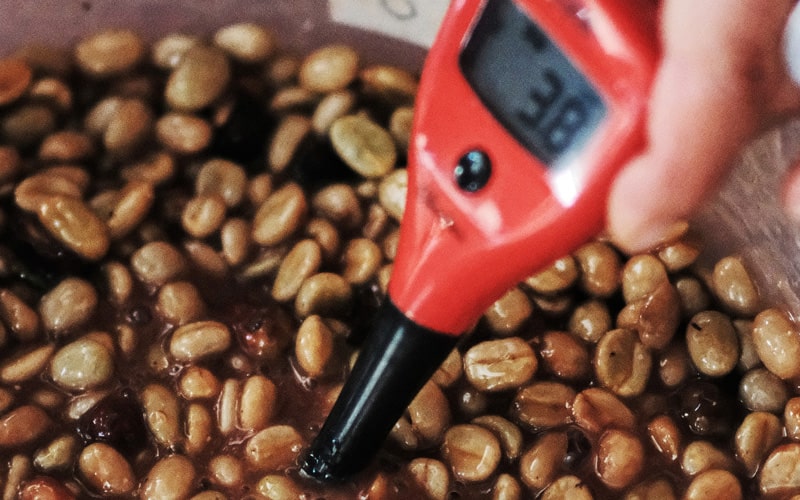
In modern decaf production processes, green coffee beans are warmed and soaked in a liquid to dissolve and remove caffeine using one of four methods: water alone, a mixture of water and a solvent (most commonly methylene chloride or ethyl acetate), or supercritical carbon dioxide. The solvents and high temperatures extract the caffeine from the beans.
Afterward, the coffee beans are washed, steamed, and roasted at the appropriate temperature to evaporate all the liquid used in the decaffeination process. In fact, caffeine is not the compound that determines the flavor of coffee. Acidity , sweetness, aftertaste, and complexity come from the organic acids, carbohydrates, and lipids in the bean. Therefore, the quality of decaf coffee depends primarily on the quality of the original beans and the level of control over the decafification process, rather than whether the coffee still contains caffeine.

Regarding the safety of decaffeination solvents, the U.S. Food and Drug Administration (FDA) has set a strict standard to ensure that all solvents used are safe. The FDA measures this content in “parts per million.” Therefore, after decaffeination, coffee can contain no more than 10 parts per million, which is safe for consumption. An example is methylene chloride – which is one part per thousand percent.
Caffeine content in a cup of decaf coffee
In most decaf coffee production processes, caffeine is extracted and filtered from the coffee beans, but not all of it. The final product will remove about 97% or more of the caffeine. For example, a regular cup of coffee contains about 95 mg of caffeine. After decafification, a cup of decaf will have about 2 mg of caffeine. The amount of caffeine in this cup of coffee is even lower than a cup of black tea or a bar of dark chocolate, and will have almost no noticeable physiological effect on most drinkers.

According to CNA experts , this amount of caffeine is safe to consume and can be added to a healthy diet. US health authorities also recommend that a reasonable amount of caffeine for most adults is around 400mg per day, or about 4-5 cups of coffee. However, everyone is different, so you should check your doctor’s health recommendations and observe how your body reacts to caffeine.
Places to drink quality decaf coffee
Decaf coffee possesses beneficial health properties. According to a comprehensive report by the NCA , consuming pure, unsweetened coffee may help reduce the risk of colon cancer, stroke, diabetes, and increase lifespan. XLIII Coffee uses high-quality specialty coffee beans (premium Arabica) organically grown, which are naturally low in caffeine and good for health. The coffee beans undergo the Swiss Water desiccation process – a natural, chemical-free method that ensures the finished coffee contains only 1%-3% caffeine while preserving the characteristic aromas of the bean . This is especially important for light-roasted coffee, where delicate acids and aromatic compounds are easily damaged if the desiccation process is not well controlled.
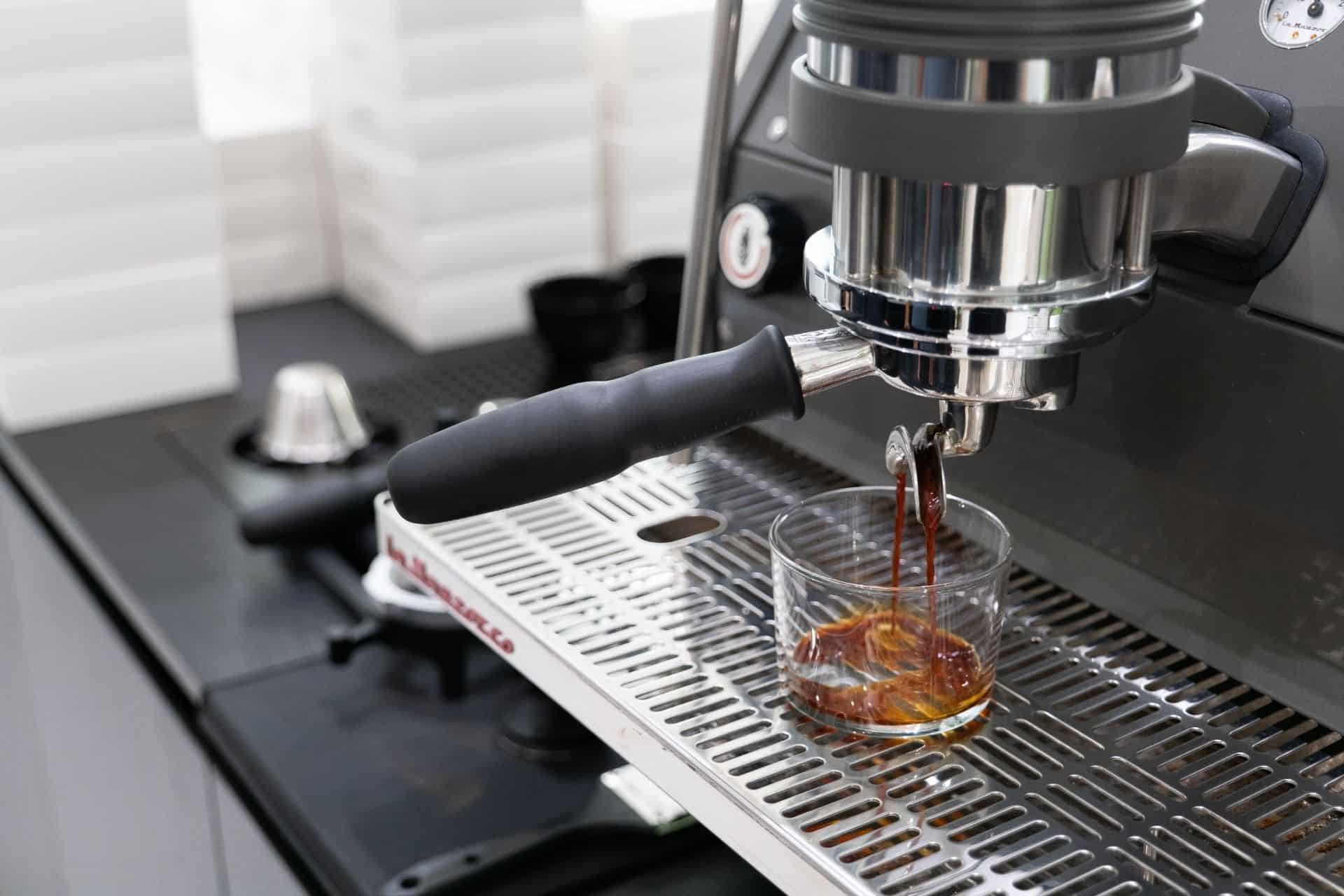
Decaf isn’t “deficient” coffee, but rather coffee that’s been processed differently. Starting with good beans and applying the right de-decafation process, decaf can still fully express the character of the growing region, flavor structure, and sensory depth. For many, decaf isn’t a replacement, but a more refined and sustainable approach to coffee.
You can enjoy XLIII Coffee’s decaffeinated coffee at the following branches:
- XLIII Coffee Da Nang
Lot 422 Ngo Thi Si Street, Ngu Hanh Son Ward, Da Nang City - XLIII Coffee Ben Nghe
XLIII Coffee – 178A Pasteur Street, Saigon Ward, Ho Chi Minh City - XLIII Coffee Hoi An
326 Ly Thuong Kiet Street, Hoi An Ward, Da Nang City - XLIII Coffee Thao Dien,
19 Street No. 2, Journalists’ Village, An Khanh Ward, Ho Chi Minh City - XLIII Coffee Hoan Kiem
2nd Floor, 2D Quang Trung, Hoan Kiem, Hanoi